Membrane Damp Proofing Systems create a reliable barrier that stops moisture from moving through walls or floors. These systems are widely used across the UK because they offer long lasting damp proofing protection for homes of all ages.
A modern damp proofing system works by placing a tough, flexible membrane against the affected surface. The membrane has small studs that create a ventilated gap behind it. This gap lets air move freely, which keeps the treated area dry while stopping damp from spreading further.
The membrane is made from strong plastic materials that do not break down over time. Once fitted, it becomes part of a full restoration process that can include replastering, flooring replacement and full finishing work. This makes membrane systems suitable for both damaged properties and older homes that need reliable long term treatment.
When installed correctly, Membrane Damp Proofing Systems help control rising damp, penetrating damp and long term moisture issues that often cause structural problems. Their design focuses on letting the wall breathe while still blocking moisture movement, which gives long term protection without relying on chemical treatments.
Signs Your Home May Need Membrane Damp Proofing Systems
Many homeowners first notice damp problems through small changes around the house. These signs often seem harmless at the start, but they can reveal deeper issues that need a strong damp proofing system in place. If ignored, the moisture can spread and cause both structural and cosmetic damage.
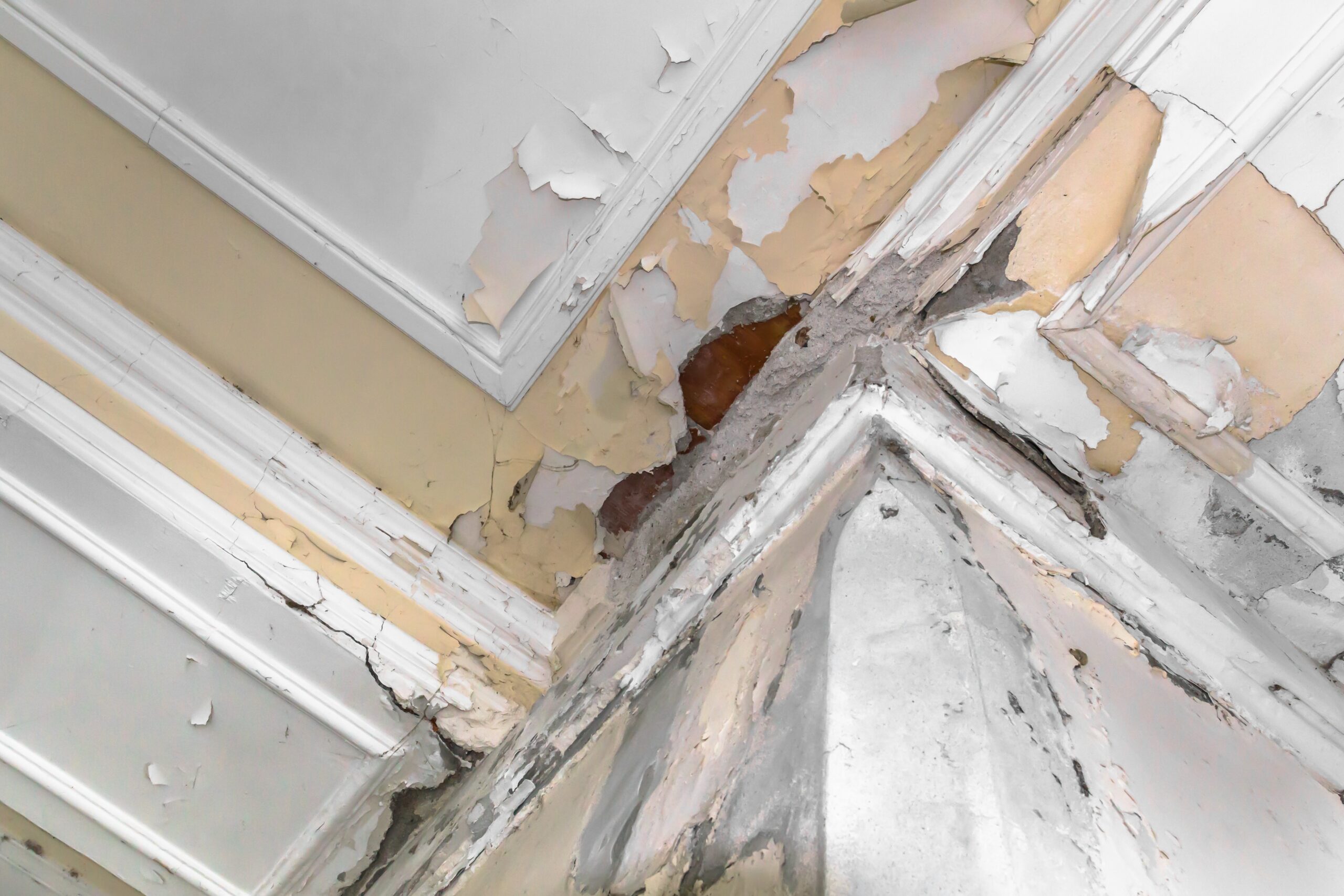
One of the most common signs is peeling paint or bubbling plaster on lower wall sections. This usually happens when moisture rises through the walls, bringing salts to the surface. Another warning sign is a musty smell, especially in rooms with poor ventilation. This can point to hidden moisture trapped behind walls or under flooring.
Black spotting on skirting boards, dark patches on walls and persistent condensation in colder months also indicate a lack of damp proofing protection. These problems tend to worsen in older homes because they often lack modern moisture control measures. Without proper treatment, the damp can weaken timber, damage plasterwork and affect flooring.
If the property experiences penetrating damp, you may see damp marks that grow after rainfall. These marks often spread horizontally because moisture is entering through damaged brickwork or external defects. In these cases, membrane systems can be used to create a stable internal barrier that protects the space while the source of the water is repaired.
Severe damp can also affect living comfort. Cold wall surfaces, increased humidity and visible mould growth tell you that moisture content is rising inside the structure. When these symptoms appear together, it may be time to consider membrane damp proofing as a dependable way to stop further damage and restore a dry, healthy environment.
The Benefits of Using These Systems in Homes Across the UK
Homeowners choose Membrane Damp Proofing Systems because they offer dependable, long term protection against moisture. Unlike basic surface treatments, these systems focus on controlling the damp at its source, which gives the property a stronger defence and reduces the chances of future issues.
One of the main benefits is that the membrane creates a physical barrier that stops moisture from passing into the living space. This gives a level of damp proofing protection that simple paint coatings or temporary fixes cannot provide. With a ventilated gap behind the membrane, the wall can dry out naturally, which helps restore the structure and prevents ongoing deterioration.
Another key advantage is flexibility. A quality damp proofing system can be used in basements, ground floors, older properties and even commercial buildings. They work well in homes across the UK because the climate often brings high humidity and regular rainfall, which makes many buildings vulnerable to penetrating and rising damp. The membrane is built to handle these pressures while staying stable and durable.
These systems are also ideal for renovation work. The membrane can remain in place even if the homeowner later decides to change the décor or upgrade the space. This makes membrane systems cost effective over time because they reduce the need for repeated treatments.
For properties with existing damage, these systems give a reliable foundation for repairs. Once installed, the area can be replastered or finished without the risk of damp returning. This helps preserve flooring, timber and other internal materials, which reduces long term maintenance costs and improves overall home comfort.
Membrane Damp Proofing Installation and What to Expect
When you choose Membrane Damp Proofing Systems for your property, the installation process is designed to be clear, structured and effective. Most homeowners find the work straightforward because the system does not rely on heavy structural changes. Instead, it focuses on creating a controlled surface that manages moisture safely.
The first stage is a full inspection of the affected area. A trained specialist checks for signs of rising damp, penetrating damp or condensation related issues. This helps confirm that the problem is suitable for a damp proofing system rather than a surface repair. Once the assessment is complete, the walls or floors are prepared by removing loose plaster, damaged materials or surface salts.
Next, the membrane is fixed securely to the internal surface. The small studs on the back of the material create a cavity that allows airflow behind the membrane. This steady airflow supports long term drying and prevents trapped moisture from causing further damage. At this stage, the installer ensures all joins are sealed and finished properly to keep the membrane stable.
Once the membrane is in place, the space can be replastered or fitted with new wall finishes. This is where membrane systems offer a major advantage because they work well with a range of internal materials. The homeowner can choose standard plasterboard, insulated panels or traditional plastering depending on their preference.
After the installation, the treated area remains protected against moisture movement. This gives dependable damp proofing protection and helps restore the room to a clean, comfortable condition. The system works quietly in the background without the need for ongoing maintenance, which makes it a practical choice for busy households and older homes.
How These Systems Compare to Other Damp Treatments
Many homeowners compare Membrane Damp Proofing Systems with other treatments before choosing the right option for their property. Each method tackles damp differently, but membrane based solutions often provide a more reliable and long lasting approach, especially in homes with recurring moisture problems.
Chemical injections are one of the most common alternatives. These treatments place a liquid barrier inside the wall to stop rising damp. While this can work in some cases, it depends heavily on the wall’s condition. Older brickwork, rubble filled walls and properties with heavy moisture levels do not always respond well to chemical methods. A membrane based damp proofing system does not rely on the wall structure in the same way, which makes it more consistent across a wider range of buildings.
Another option is simple surface coating or waterproof paint. These products only treat the visible layer, which means the underlying damp continues to move through the structure. This often leads to peeling paint, salt deposits and returning stains within a short period. In contrast, membrane systems manage the moisture at its source by forming a physical barrier and allowing controlled ventilation behind the surface.
Some properties use cement based tanking. This method creates a rigid waterproof layer that blocks moisture, but it can crack over time if the building shifts or if pressure builds behind the coating. Once a crack forms, water can re enter the room and cause further damage. Membrane systems avoid this risk because the ventilated cavity reduces pressure and supports natural drying.
Ventilation upgrades are also suggested as a solution. While improved airflow helps reduce condensation, it does not address rising or penetrating damp. Homeowners often find that a combination of ventilation and a dependable damp proofing system gives the best results.
Overall, membrane solutions offer a stronger balance of protection, flexibility and long term performance. They are suitable for both modern and older homes, which is why many UK specialists recommend them for complex damp problems.
Why Professional Installation Matters for Long Term Protection
Professional installation is important when working with Membrane Damp Proofing Systems because these materials perform best when fitted correctly from the start. A trained specialist understands how moisture moves through different wall types, which means they can place the membrane in the right position and ensure the surface remains dry in the long term.
When damp issues are assessed by an expert, the source of the problem is identified before any work begins. This is important because even the best damp proofing system cannot deliver full results if the cause of the moisture has not been addressed. Specialists inspect brickwork, flooring and drainage to confirm that the membrane will offer the correct level of damp proofing protection once installed.
Professional installers also understand the technical details of fixing membranes in place. They use the correct fixings, sealing methods and finishing techniques to ensure the system forms a stable barrier. This reduces the risk of gaps, loose edges or incorrect placement that can weaken the overall protection. It also helps maintain proper ventilation behind the membrane so the wall can dry out safely.
Another key benefit of professional fitting is the quality of the reinstatement work that follows. Skilled tradespeople can replaster, board or finish the space cleanly so that the final result looks neat and blends with the rest of the property. This is especially important in older homes where careful restoration helps preserve the character of the building.
For homeowners, using trained installers gives long term peace of mind. The membrane systems continue to work quietly in the background, keeping the space dry and reducing maintenance costs over time. With expert installation, the system remains effective even if the home experiences seasonal changes or heavy rainfall, which makes it a dependable choice across the UK.
What Homeowners Ask About Damp Proofing Protection
What are Membrane Damp Proofing Systems used for?
They are used to stop moisture from moving through walls or floors. The membrane forms a protective barrier that prevents damp from entering the living space. This gives long term damp proofing protection and helps restore damaged surfaces.
How long does a membrane based damp proofing system last?
A well installed membrane can last for many years because it is made from durable materials that do not break down. Once fitted, it stays stable behind the wall finish and continues working without regular maintenance.
Can these systems stop rising damp?
Yes, membrane systems are suitable for treating rising damp because they block moisture from passing into the room. They also allow ventilation behind the membrane, which supports the drying of the wall.
Do I still need to fix the source of the moisture?
Yes. The system protects the internal surface, but the source of the damp should be repaired wherever possible. This can include fixing leaks, improving drainage or repairing damaged brickwork.
Are membrane systems better than waterproof paint?
In most cases, yes. Waterproof paint only treats the surface, so the damp continues to spread behind it. A membrane creates a physical barrier and provides a controlled cavity that manages moisture more effectively.
Can I install the membrane myself?
It is possible but not recommended. Professional installers understand how to place the membrane correctly, seal the joints and finish the area safely. This ensures the system performs well and offers reliable damp proofing protection.
Where in a home can these systems be used?
They can be used in basements, ground floors, older homes, extensions and commercial spaces. The flexibility of membrane systems makes them suitable for a wide range of damp problems across the UK.
How soon can a room be replastered after installation?
The area can usually be replastered straight after the membrane is fitted. This allows the homeowner to restore the room quickly while keeping the protective barrier in place.
To talk to us about your property, get in touch with our team or find out more about PFC Restoration.
Share This Story, Choose Your Platform!
About the Author: PFC Restoration