Securing a property against moisture is a fundamental aspect of building maintenance, particularly in coastal urban environments. For homeowners and commercial property managers, seeking expert damp proofing Portsmouth is often the first step in addressing the unique challenges posed by the local climate and geography. The city, being largely situated on Portsea Island, faces specific environmental pressures, including high water tables and salt-laden air, which can accelerate the deterioration of traditional building materials. Understanding how to manage these factors is essential for preserving the structural integrity and market value of any local building. Without a robust strategy for moisture control, small patches of damp can rapidly evolve into extensive fungal infestations or structural decay.
The Unique Damp Challenges Facing Portsmouth Properties
The architectural heritage of Portsmouth is diverse, ranging from historic naval buildings and Victorian terraces to modern waterfront developments. This variety means that a “one size fits all” approach to moisture control simply does not work. Many of the older terraced houses in areas like North End and Copnor were built with solid brick walls and minimal original damp proofing measures. Over decades, the original slate or bitumen damp proof courses can become brittle and fail, allowing groundwater to rise into the living spaces. This process is often exacerbated by the high density of housing, where poor external drainage or shared garden walls can contribute to moisture transfer between neighbouring properties.
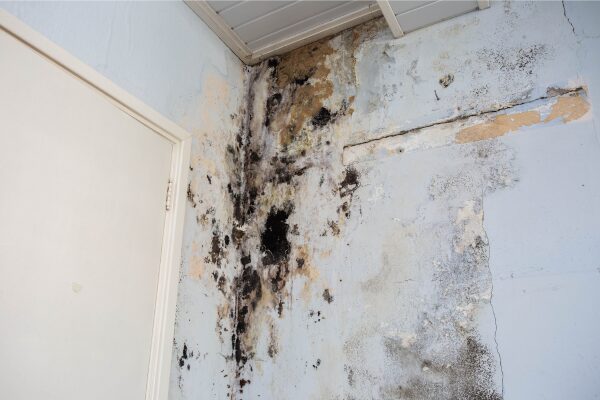
Coastal properties face the added burden of hygroscopic salt contamination. When seawater spray or ground moisture evaporates from a wall, it leaves behind salts that actively draw moisture from the air. Even if the original source of a leak is fixed, these salts remain in the masonry and plaster, causing the wall to appear damp even on dry days. This is why expert damp proofing Portsmouth must involve more than just stopping the water; it requires the professional removal of contaminated materials and the application of specialist salt-neutralising treatments. Failing to address the chemical composition of the wall often results in the reappearance of damp patches within months of a superficial repair.
The Role of Advanced Diagnostics in Property Restoration
Effective restoration begins with an accurate diagnosis of the problem, which is why professional surveys are so critical. At PFC Restoration, we utilise a range of non-destructive diagnostic tools to pinpoint the exact source of moisture. Thermal imaging cameras are particularly useful in Portsmouth properties, as they allow our technicians to see temperature variations that indicate hidden leaks or cold bridges where condensation is likely to form. By visualising the moisture profile of a building, we can differentiate between rising damp, penetrating damp, and simple atmospheric condensation, saving our clients from investing in unnecessary treatments.
In addition to thermal imaging, moisture mapping involves the use of electronic moisture meters and hygrometers to track the movement of water through the building fabric. This data-driven approach ensures that our recommendations are based on scientific evidence rather than guesswork. For instance, a damp patch in a basement in Southsea might be caused by hydrostatic pressure from a high water table rather than a plumbing leak. Identifying this distinction is the difference between a permanent solution and a recurring headache. Our commitment to using advanced technology ensures that every project is underpinned by a deep understanding of the property’s specific environmental conditions.
Implementing Resilient Damp Proofing Portsmouth Solutions
Once the source of moisture has been identified, the implementation of a resilient barrier is the next priority. One of the most effective methods for modern restoration is the installation of a cavity drained membrane system. These high-density membranes are fixed to the internal surfaces of the walls and floors, creating a physical “skin” that moisture cannot penetrate. Unlike traditional tanking methods, which attempt to hold back water pressure and can eventually crack, membrane systems allow the wall to breathe. Any moisture that enters the structure is managed behind the membrane and can be directed to a suitable drainage point or allowed to evaporate naturally through ventilated gaps.
For properties suffering from rising damp, the installation of a new chemical damp proof course remains a reliable and cost-effective option. This involves the precise injection of a high-grade silane-based cream into the mortar bed of the masonry. This substance migrates through the mortar to create a continuous, water-repellent barrier that prevents capillary action from drawing groundwater upwards. When combined with specialist replastering using salt-retardant additives, this system provides a long-term cure for damp issues in traditional Portsmouth brickwork. The goal of expert damp proofing Portsmouth is always to provide a solution that works in harmony with the building’s original construction while providing modern levels of protection.
Protecting Structural Timbers and Internal Air Quality
The secondary effects of dampness are often more damaging than the moisture itself. High humidity levels and damp masonry provide the perfect breeding ground for wood-rotting fungi, such as dry rot (Serpula lacrymans) and wet rot. Dry rot is particularly feared in Portsmouth’s older homes because it can spread through masonry to find new timber sources, effectively “travelling” through a building to destroy floor joists, skirting boards, and door frames. A professional damp proofing strategy must include a thorough inspection of all sub-floor voids and roof timbers to ensure that fungal infestations are caught and treated before they cause structural failure.
Beyond the physical structure, the health of the occupants is a primary concern. Damp environments are intrinsically linked to the growth of black spot mould (Aspergillus niger), which releases spores into the air that can trigger or worsen respiratory conditions. In many Portsmouth properties, poor ventilation in bathrooms and kitchens leads to high levels of condensation, which is often mistaken for structural damp. Part of our expert service involves assessing the ventilation needs of the property and installing mechanical systems, such as Positive Input Ventilation (PIV), to ensure a constant flow of fresh air. By controlling both structural moisture and atmospheric humidity, we create a living environment that is dry, warm, and safe for all residents.

Frequently Asked Questions About Expert Damp Proofing Portsmouth
Why is damp so common in Portsmouth properties?
Portsmouth’s geography plays a major role, as many areas have a high water table and are built on reclaimed land or porous soil. The city’s high density of older, solid-walled Victorian and Edwardian housing means that many buildings lack the cavity walls and modern damp proof courses found in newer constructions. Additionally, the coastal air brings salts that can settle on masonry and attract moisture from the atmosphere.
How long does a damp proofing treatment typically last?
When performed by specialists using high-quality materials, professional damp proofing treatments are designed to last for several decades. Most of our structural waterproofing and DPC injection systems come with a long-term guarantee, providing homeowners and buyers with peace of mind. The lifespan of the treatment is often extended by ensuring that general property maintenance, such as gutter clearing and exterior repointing, is kept up to date.
Will damp proofing work if I have a high water table?
Yes, but it requires a specific approach known as Type C waterproofing or a cavity drained membrane system. In areas of Portsmouth where groundwater pressure is high, simply “painting” the walls with a waterproof coating will usually fail as the pressure pushes the coating off the wall. A membrane system manages the water pressure by allowing it to sit behind the barrier, where it can be safely diverted or drained away.
Is it possible to damp proof a basement in Southsea?
Basement tanking and cellar conversions are entirely possible, even in coastal areas. However, these projects require a specialist understanding of BS 8102:2022, which is the British Standard for the protection of below-ground structures against water from the ground. We provide full design and installation services to turn damp, unusable basements into dry, habitable living spaces or storage areas.
Does the damp proofing process create a lot of mess?
While any building work involves some disruption, we take great care to minimise the impact on your home. For internal treatments, we use dust extraction systems and protective floor coverings. Most damp proofing projects require the removal of existing plaster to a certain height, which can be dusty, but our team ensures that the site is cleared and left tidy at the end of each working day.
Can I stay in my house while the damp proofing is being done?
In most cases, yes. Our team works efficiently to treat one room at a time where possible, allowing you to maintain use of the rest of your property. If the work is particularly extensive, such as a full ground-floor renovation or basement conversion, we will discuss the timeline with you in advance so you can make any necessary arrangements. Our goal is to complete the expert damp proofing Portsmouth project with as little inconvenience as possible.
Share This Story, Choose Your Platform!
About the Author: PFC Restoration