Preserving the structural integrity of a coastal home requires a dedicated approach to moisture management, especially when seeking the expertise of damp proofing specialists Southsea. This vibrant seaside area of Portsmouth is characterised by its striking Victorian and Edwardian architecture, close proximity to the seafront, and unique geological conditions. While these historic properties offer immense character, their age and location make them highly susceptible to various forms of moisture ingress. Sea spray, driven rain from the Solent, and a naturally high water table all combine to test the resilience of local building fabrics. Without proactive intervention from professional preservation experts, minor damp issues can quickly escalate into severe structural defects, compromising both the value of the property and the health of its occupants.
The Unique Coastal Environment and Architectural Challenges of Southsea
The geographical positioning of Southsea introduces distinct environmental strains that are rarely encountered in inland towns. Properties situated along the seafront or within the dense residential avenues of the area are constantly exposed to high levels of atmospheric salinity. This salt-laden air settles on external brickwork and can be drawn deep into the masonry. Over time, these hygroscopic salts accumulate within the walls and continue to attract moisture from the surrounding air, even during dry summer periods. This chemical contamination means that simply drying out a wall is insufficient; the salt-contaminated materials must be professionally treated and replaced to prevent the persistent reappearance of damp patches.
Furthermore, the architectural makeup of Southsea features thousands of traditional properties built with solid masonry walls. Unlike modern houses constructed with cavity walls that provide a physical break against moisture transfer, solid brick walls rely on a high degree of breathability to remain dry. Originally, these buildings were heated by open coal fires that drew massive volumes of air through the structure, naturally evaporating any moisture that penetrated the brickwork. Modern building updates, such as the installation of double glazing, draft-proofing, and non-breathable external coatings, frequently disrupt this delicate equilibrium. When natural ventilation is restricted, moisture becomes trapped within the solid walls, leading to internal paint bubbling, plaster degradation, and a distinct musty odour throughout the property.
Understanding the Varieties of Moisture Ingress in Seaside Homes
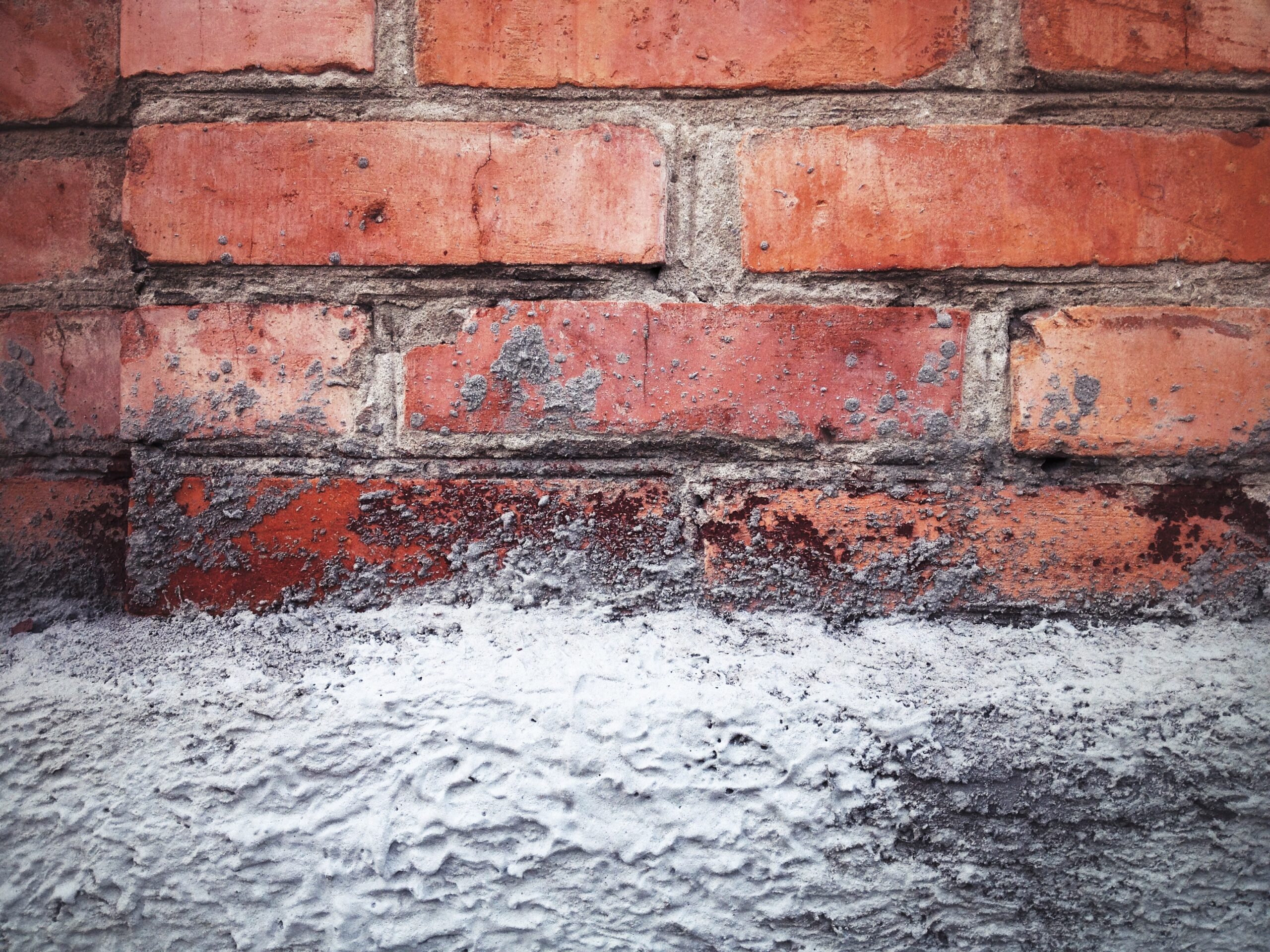
Accurate structural diagnosis is the cornerstone of effective building restoration, as treating the symptoms of dampness without identifying the true root cause will only lead to recurring failures. Rising damp is a common concern in older Southsea homes where the original slate or bitumen damp proof courses have deteriorated over the last century. Groundwater is drawn upward through the microscopic pathways in the brick and mortar via capillary action, usually manifesting as a distinct tide mark on internal ground-floor walls up to a metre in height. This moisture brings ground salts with it, which expand as they crystallise, causing plaster to crumble and wallpaper to peel away from the wall base.
Penetrating damp is another frequent hazard, particularly on exposed gables and chimney breasts that bear the brunt of coastal storms. This occurs when external building defects, such as cracked rendering, eroded mortar joints, or defective roof flashings, allow rainwater to soak directly through the external wall. Unlike rising damp, penetrating damp can appear at any height and often creates isolated, dark patches that rapidly expand during periods of sustained heavy rainfall. Condensation, conversely, is an internal atmospheric issue caused by high relative humidity within the living space. When warm, moisture-heavy air generated by everyday activities like cooking or showering comes into contact with cold external walls, it reverts to liquid water, creating the ideal conditions for black spot mould to thrive in corners, wardrobes, and behind furniture.
Advanced Remedial Solutions Implemented by Professionals
Addressing entrenched damp issues in a coastal environment demands modern, engineered solutions that move beyond temporary surface coatings. For properties facing severe moisture ingress, below-ground dampness, or high ground levels externally, the installation of a cavity drained membrane system represents the industry gold standard. These high-density polyethylene membranes are fixed directly to the internal face of the masonry, forming an impenetrable, physical barrier. The membrane features a studded profile that creates a continuous air gap against the original wall, allowing the structure to breathe and channel moisture away safely while keeping the new internal plasterboard and decorations completely dry.
In instances where a traditional solid wall suffers from a failed original damp proof course, a chemical barrier injection is an exceptionally reliable remedy. Specialists drill precise holes along the mortar course at the correct structural height and inject a high-performance silane-based cream. This substance diffuses deeply into the mortar bed, curing into a continuous, water-repellent layer that permanently halts the upward movement of capillary groundwater. To complement this treatment, the old, salt-contaminated plaster must be hacked off and replaced with a specialist sand and cement render mix incorporating salt-retardant additives. This comprehensive approach ensures that any remaining residual moisture or salts cannot migrate forward to ruin the final decorative finish.
The Long-Term Protection of Structural Timbers and Air Quality
Ignoring the warning signs of dampness can result in catastrophic damage to the structural timber framework of a building. When wood inside a property is subjected to prolonged moisture exposure, its moisture content rises to levels that support the growth of destructive wood-rotting fungi. Dry rot is a particularly aggressive fungal infestation that poses a significant threat to the older properties in Southsea. The fungal strands can spread through thick masonry and behind plasterwork to locate and destroy unaffected timbers, consuming floor joists, wall plates, and structural supports. The remediation of advanced dry rot requires highly invasive structural work, highlighting why early detection by local damp specialists is so vital.
Beyond the preservation of brick and timber, damp proofing specialists Southsea are essential for safeguarding human health. Damp internal environments are inextricably linked to the rapid proliferation of black spot mould, which releases vast numbers of microscopic spores and volatile organic compounds into the household air supply. Inhalation of these spores is a primary trigger for numerous respiratory conditions, including chronic coughing, sinus irritation, and heightened asthma attacks, particularly in young children, the elderly, or those with compromised immune systems. By combining structural damp proofing with mechanical ventilation enhancements, such as Positive Input Ventilation units, professionals ensure that internal humidity is tightly controlled, creating a fresh, clean, and healthy living environment for the entire family.
Damp Proofing Specialists Southsea Frequently Asked Questions
Why are Victorian properties in Southsea so prone to damp issues?
Victorian homes were built using solid brick walls without a cavity space, meaning that if the external brickwork becomes saturated by driving coastal rain, the moisture can travel directly through to the internal plaster. Additionally, many of these properties are over a century old, meaning their original slate, clay, or bitumen damp proof courses have naturally degraded, cracked, or been bypassed by raised modern ground levels like new patios and pathways.
How do I know if my property has rising damp or just condensation?
Rising damp is strictly confined to ground-floor walls and typically creates a continuous, horizontal tide mark up to one metre high, often accompanied by white, powdery salt deposits and crumbling plaster. Condensation can occur at any height, frequently appears in corners or behind furniture where airflow is restricted, and is almost always identified by patches of black spot mould rather than structural blowing of the plasterwork.
Is it safe to use waterproof paint to seal a damp internal wall?
Applying waterproof or anti-damp paint directly over an active damp patch is a counterproductive measure that generally worsens the underlying problem. These paints seal the surface, trapping the moisture inside the brickwork and preventing it from evaporating naturally. This causes the masonry underneath to decay more rapidly and forces the trapped water to travel sideways or upwards, resulting in new damp patches appearing elsewhere.
How long does a professional damp proofing system last?
When installed by qualified professionals using premium BBA-approved materials, modern damp proofing treatments are designed to safeguard a property for several decades. Our advanced chemical injection barriers and cavity membrane systems are highly durable and come backed by long-term structural guarantees, providing valuable peace of mind for both current homeowners and prospective property buyers.
What is involved in a professional damp survey?
A comprehensive survey involves a meticulous assessment of the building’s interior and exterior. The specialist will use electronic moisture meters to map the damp profile of the walls, locate hidden moisture paths, and evaluate the condition of structural floor timbers. They will also inspect the external property fabric, checking gutters, downpipes, air bricks, and rendering to ensure there are no defects allowing water to enter from the outside.
Can damp proofing work be carried out during the winter months?
Yes, professional damp proofing specialists Southsea can execute their work at any time of the year. While winter weather requires careful management of external ventilation and drying times, internal remedial works, such as membrane installations and chemical injections, are entirely insulated from external conditions. Our teams use targeted dust extraction and protective measures to ensure the work is completed efficiently with minimal disruption to your daily routine regardless of the season.
To talk to us about your property, get in touch with our team or find out more about PFC Restoration.
Share This Story, Choose Your Platform!
About the Author: PFC Restoration