Damp is one of those problems that rarely announces itself politely. It creeps in quietly, a musty smell here, a patch of flaking paint there, until one day you notice a stain spreading across a wall or a tide mark rising along the skirting. Left alone, damp does not just look unpleasant; it damages plaster, rots timber and can affect the health of everyone in the home. The good news is that damp proofing is a well-understood, highly effective solution, and catching the problem early makes all the difference. At PFC Restoration, we help homeowners across Portsmouth and Hampshire tackle damp properly, and this guide explains what it is, how it is treated, and when to call in the experts.
Understanding The Different Types Of Damp
Before any damp proofing can be carried out, it is essential to identify what kind of damp you are actually dealing with, because the treatment differs entirely depending on the cause. Misdiagnosing damp is one of the most common and costly mistakes a homeowner can make, and it is why a professional assessment matters so much.
Broadly, there are three main types found in UK homes:
- Rising damp: moisture from the ground travelling up through the walls, usually because a damp proof course is missing, damaged or bridged. It typically shows as a tide mark up to around a metre high.
- Penetrating damp: water getting in from outside through a defect such as cracked render, faulty guttering, or damaged pointing, often appearing as localised damp patches that worsen after rain.
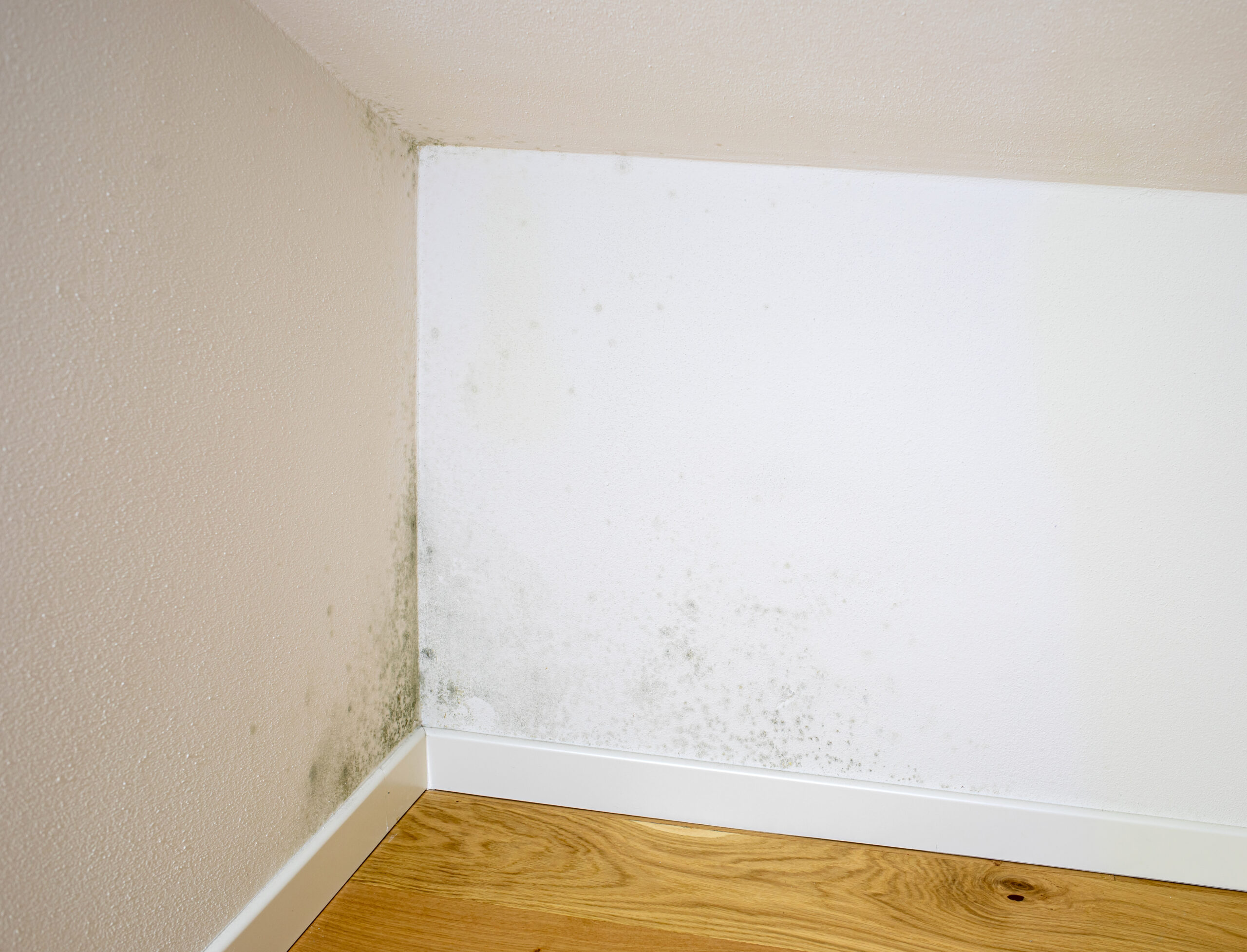
- Condensation: the most common form, caused by moist air inside the home meeting cold surfaces, leading to black mould around windows and in corners.
Each of these has a very different fix, so the first job is always to establish which one you have. Treating condensation as if it were rising damp, or vice versa, wastes money and leaves the real problem untouched.
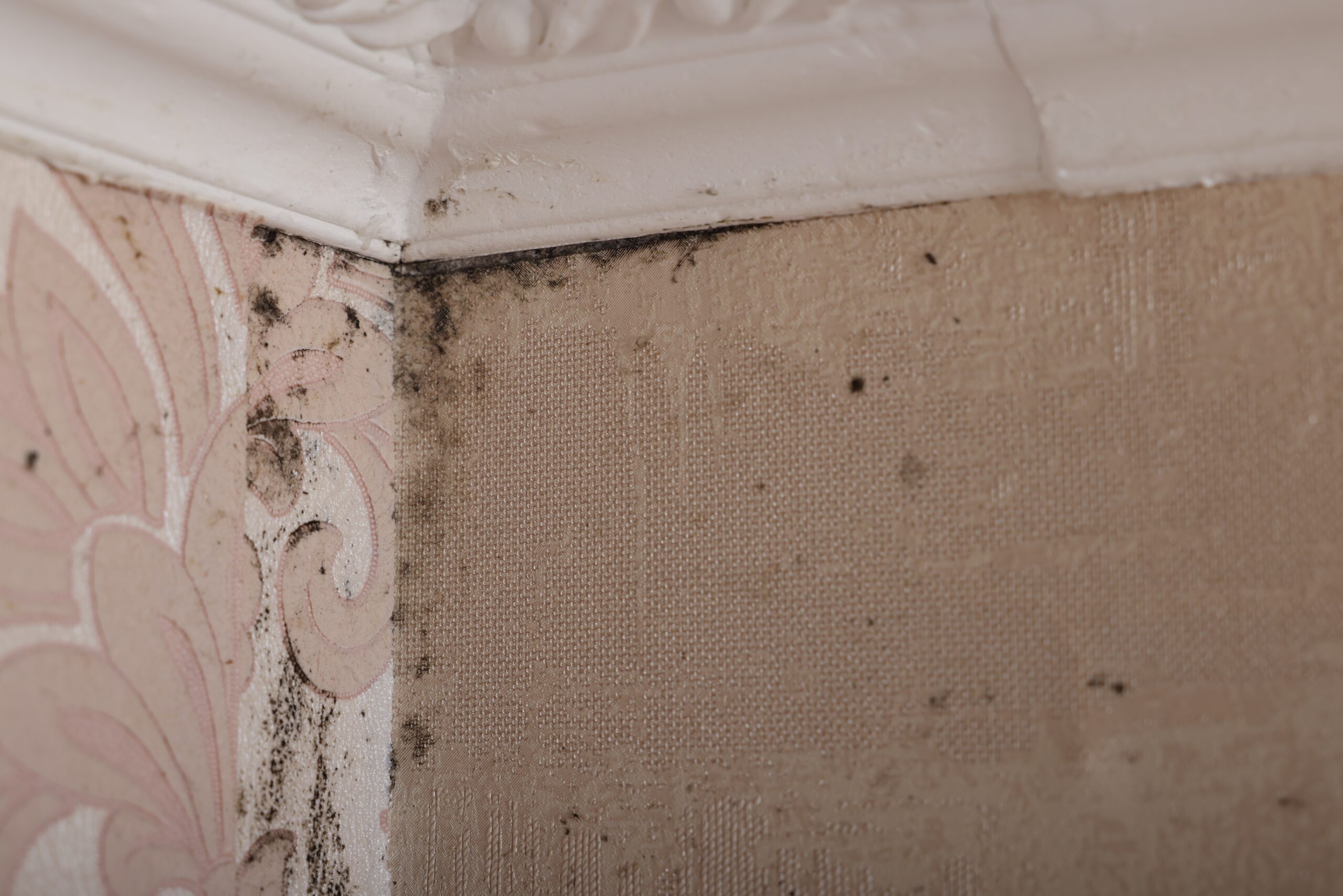
Wall affected with black mold indoors, closeup view
How Damp Proofing Works
Once the type and source of damp are correctly identified, the right treatment can be applied. For rising damp, the usual solution is to install a new damp proof course, often by injecting a specialist damp proof cream into the base of the walls to create a water-repellent barrier that stops moisture climbing any further. Affected plaster, which will be contaminated with salts, is then removed and replaced with a suitable renovating plaster.
Penetrating damp is tackled differently, by finding and repairing the external defect letting water in, whether that is repointing brickwork, repairing render or fixing guttering, and then allowing the wall to dry out. Condensation, meanwhile, is usually managed through improved ventilation and, sometimes, targeted measures. The key point is that effective damp protection treats the cause, not just the symptom, which is exactly why a proper diagnosis comes first.
Signs You May Need Damp Proofing
Damp gives off plenty of warning signs if you know what to look for, and spotting them early can save a great deal of expense and disruption. It is worth keeping an eye out for the following around your home:
- A musty, damp smell: often the very first sign, particularly in ground-floor rooms.
- Tide marks on walls: a stained line rising up from the skirting, a classic indicator of rising damp.
- Peeling paint or bubbling plaster: moisture pushing through and lifting decorative finishes.
- Black mould: especially around windows, in corners and behind furniture, usually pointing to condensation.
- Damp or crumbling plaster: cold, wet-feeling walls or plaster that comes away easily.
If you notice one or more of these, it is well worth having the property assessed sooner rather than later. Damp only gets worse, and more expensive to fix, the longer it is left.
Why Professional Damp Proofing Is Worth It
There are plenty of quick fixes marketed to homeowners, from anti-damp paints to DIY treatments, but these almost always mask the symptoms rather than solve the underlying problem. Damp will simply reappear, often worse, once the cosmetic cover-up fails. Professional protection addresses the root cause, and it does so with the right materials, the right techniques and the benefit of accurate diagnosis.
Bringing in specialists also protects the fabric and value of your home. Damp that is allowed to persist can rot structural timber and ruin plaster throughout a room, turning a manageable job into a major one. We say to homeowners regularly that damp is far cheaper to treat early and properly than to ignore, and the peace of mind of a dry, healthy home is worth a great deal in itself.
Frequently Asked Questions About Damp Proofing
How do I know if I have rising damp or condensation?
Rising damp typically shows as a tide mark rising from the floor, while condensation usually appears as black mould around windows and cold surfaces. The two need very different treatments, so a professional assessment is the reliable way to be sure.
How long does it take?
It depends on the extent of the problem. A single wall might be treated in a day or two, while more widespread damp with replastering takes longer. We will give you a clear timescale once we have assessed the property.
Will I need to redecorate after damp proofing?
Usually, yes. Where contaminated plaster is removed and replaced, the new plaster needs time to dry before redecorating. We will advise on how long to leave it before painting.
Can I treat damp myself?
DIY products tend to cover symptoms rather than fix the cause, so damp often returns. Because correct diagnosis is so important, professional treatment is the more reliable and cost-effective route in almost every case.
Trust PFC Restoration For Damp Proofing In Portsmouth
Damp is not a problem to put off, but with the right diagnosis, it is a problem that can be solved for good. Whether you have spotted a tide mark, a musty smell or stubborn black mould, the sooner it is assessed, the easier and cheaper it is to put right.
At PFC Restoration, we identify the true cause of damp and treat it properly, protecting your home from further damage. If you are concerned about damp in your Portsmouth or Hampshire property, call us today on 07760 660 028 to arrange a professional assessment, and let us help you enjoy a dry, healthy home once more.
Share This Story, Choose Your Platform!
About the Author: PFC Restoration