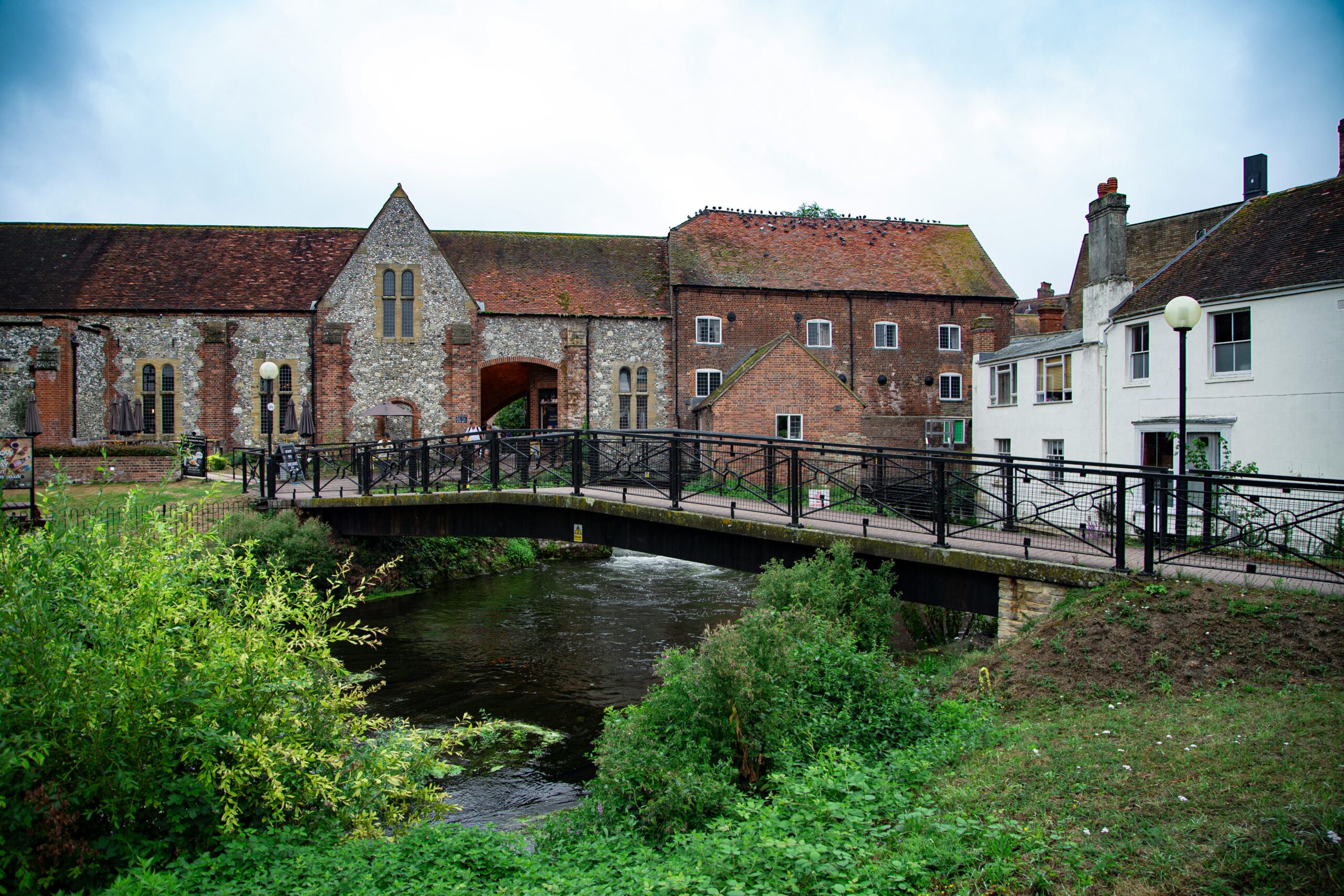
Protecting a residential or commercial property from moisture ingress requires a deep understanding of local environmental factors and engineered remedial methods. Salisbury sits at the convergence of five distinct river valleys in southern Wiltshire, creating a unique geographical setting that poses constant challenges for building owners. The local architectural landscape ranges from medieval timber-framed structures around the Cathedral Close to Victorian brick terraces in Fisherton Anger, traditional flint cottages in Harnham, and modern suburban housing. Without effective moisture management, properties built across low-lying river plains face serious structural damp risks throughout the year.
At PFC Restoration, our experienced technicians deliver tailored surveys and long-term remediation systems designed for these specific regional conditions. Investing in professional damp proofing in Salisbury ensures long-term structural longevity, preserves historic building fabrics, and maintains healthy indoor living conditions for occupants. Water ingress left unaddressed slowly ruins internal masonry, destroys plasterwork, causes timber decay, and creates unsightly living environments that erode property value. Furthermore, trapped dampness severely compromises the thermal efficiency of external walls, leading to higher energy bills during cold winter months. PFC Restoration provides clear diagnostics and dependable structural solutions so local property owners can resolve minor moisture issues before they escalate into costly structural repairs.
Environmental, Geological, and Climate Factors in Wiltshire
Salisbury’s geology is dominated by extensive chalk downlands surrounding a low-lying river basin where the Avon, Nadder, Wylye, Bourn, and Till meet. These chalk hills act as vast natural sponges during heavy winter rainfall across Wiltshire, storing immense volumes of groundwater that slowly migrate downhill into the valleys. Groundwater feeds low-lying river gravels and alluvial clay beds throughout districts like Harnham, Milford, Britford, and Fisherton Anger. High water tables exert significant hydrostatic pressure on older building foundations, basement spaces, and sub-floor voids during wet seasons. This wet soil environment requires specialised approaches when considering damp proofing in Salisbury for domestic, historic, or commercial buildings.
Traditional building materials like Chilmark limestone, flint, and oak timber framing require breathable treatments to maintain structural integrity over centuries. Modern synthetic paints and impermeable cement renders often trap water inside solid brickwork, preventing natural evaporation through the building envelope. Trapped water leads to salt movement, freeze-thaw masonry spalling, timber rot, and severe internal plaster degradation over time. Restoring natural wall breathability while blocking liquid groundwater remains a cornerstone of period property care across Wiltshire. PFC Restoration works closely with property owners to ensure that external ground levels and modern wall finishes do not bridge original barrier courses or compromise structural integrity.
Diagnosing Moisture Ingress Types in Salisbury Buildings
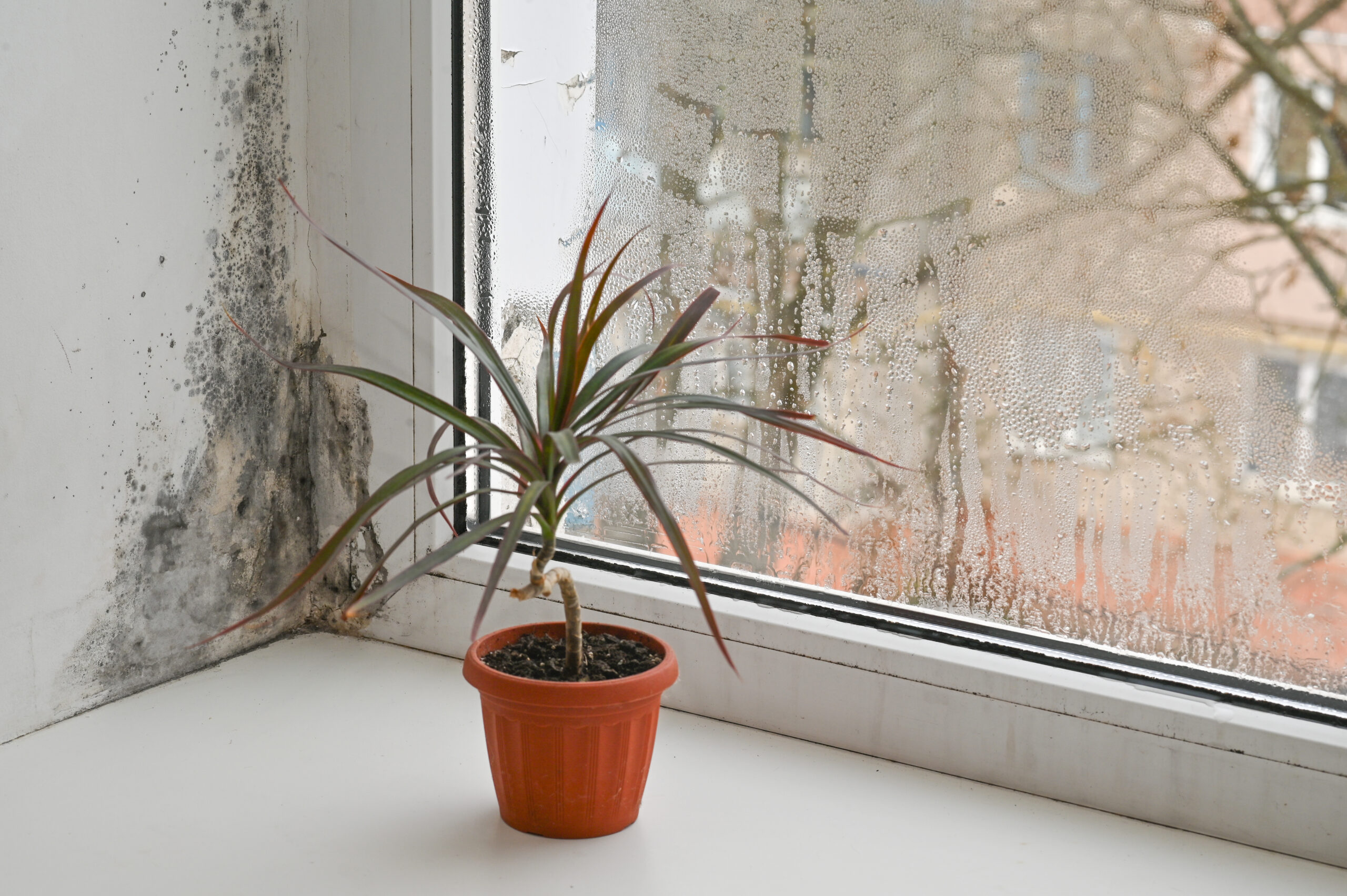
Accurate diagnosis separates rising damp from penetrating leaks and atmospheric condensation problems across local housing stock. Rising damp moves upward through microscopic capillaries in brick, stone, and mortar joints from the underlying soil. It typically leaves a visible horizontal tide mark up to one metre above internal floor levels, accompanied by peeling wallpaper or blistering paintwork. Hygroscopic ground salts crystallise on internal wall surfaces, attracting atmospheric moisture even during warm, dry summer periods. These salt deposits break down plaster, causing unsightly bubbling, flaking, and structural weakness that ordinary decorating cannot fix.
Penetrating damp usually results from defective gutters, cracked rendering, damaged roof tiles, leaking downpipes, or porous external brickwork. These wet patches expand rapidly during periods of heavy rain and wind-driven weather across exposed gables and chimney breasts. Condensation is an internal atmospheric issue that develops when warm, humid air meets cold external walls, uninsulated window reveals, or unventilated corners. Black spot mould rapidly develops in unventilated areas with high relative humidity, such as bathrooms, kitchens, and bedrooms. PFC Restoration utilises advanced non-destructive testing, thermal imaging, and electronic moisture profiling to identify whether a problem stems from structural ground water, building maintenance defects, or indoor humidity.
Advanced Remedial Solutions and PFC Restoration’s Damp Proofing in Salisbury Services
Modern property care relies on engineered barrier systems tailored to a building’s age, usage, structural materials, and construction type. For homes dealing with severe moisture ingress, below-ground cellar spaces, or high external ground levels, PFC Restoration installs high-performance cavity drained membrane systems to deliver reliable, long-term protection. High-density polyethylene membranes are fixed directly to internal walls and floors, creating an impenetrable physical barrier against moisture. Studs on the back of the membrane form an air gap, allowing original masonry to breathe and dry out while keeping internal finishes completely dry. Integrated drainage channels and sump pumps safely collect and evacuate managed water away from the living space.
When dealing with failed original damp proof courses in solid brickwork or stone foundations, our specialists apply chemical injection barriers that provide an exceptionally reliable cure. Technicians drill precise holes along mortar beds at the correct structural height and inject a high-grade silane-based cream. This substance migrates through the mortar layer, curing into a continuous, water-repellent layer that stops groundwater from rising through capillary action. When paired with specialist replastering containing salt-retardant additives, this approach prevents residual ground salts from spoiling new wall finishes. Choosing PFC Restoration for damp proofing in Salisbury ensures solutions respect the original building fabric while providing long-term structural performance.
Protecting Structural Timbers, Air Quality, and Property Value
Uncontrolled dampness severely threatens structural timber components throughout ground floors, sub-floor voids, roof structures, and decorative joinery. Wood exposed to continuous moisture becomes vulnerable to wood-rotting fungi like wet rot and dry rot (Serpula lacrymans). Dry rot is particularly damaging in historic Salisbury homes, as its fungal strands can travel through porous masonry and behind plaster to attack dry timber elsewhere in the building. Left unchecked, dry rot destroys floor joists, wall plates, structural lintels, and roof timbers, causing structural instability that requires invasive and costly repairs. PFC Restoration carries out comprehensive timber inspections, removing infected sections and applying professional fungicidal treatments to protect structural woodwork.
Controlling structural moisture is also vital for safeguarding household health and indoor environmental quality across residential properties. Damp, cold walls create ideal conditions for black spot mould (Aspergillus niger), which releases thousands of microscopic airborne spores into living areas. Inhaling these spores triggers respiratory problems, including chronic coughs, sinus irritation, allergic reactions, and severe asthma flare-ups, especially in children, the elderly, or vulnerable individuals. PFC Restoration combines structural waterproofing with mechanical ventilation solutions, such as Positive Input Ventilation (PIV) units, to regulate internal relative humidity effectively. This complete approach keeps indoor air fresh, dry, and healthy throughout the year, while maintaining peak property value for future buyers.
Frequently Asked Questions Regarding Damp and Restoration with PFC Restoration
Why are low-lying properties in Salisbury particularly prone to damp problems?
Salisbury sits at the confluence of five rivers, surrounded by chalk downlands that feed a naturally high water table across the river valley basin. Properties in low-lying districts like Harnham, Milford, Britford, and Fisherton Anger experience elevated groundwater levels, particularly during wet winter seasons and prolonged rainstorms. Saturated valley gravels and alluvial clays exert hydrostatic pressure on sub-floor foundations, forcing moisture into porous brickwork, stone, and timber if damp proof barriers are missing, damaged, or bridged by external ground levels. PFC Restoration conducts detailed surveys to identify these risks and install appropriate physical or chemical barriers.
How long does a professional damp proofing treatment from PFC Restoration typically last?
When completed by our qualified specialists using high-quality BBA-approved materials, modern damp proofing treatments protect properties for several decades. Our advanced chemical injection barriers and cavity membrane systems are exceptionally durable and come backed by long-term structural guarantees, offering valuable peace of mind for homeowners, buyers, and mortgage lenders alike. Regular maintenance of external gutters, downpipes, air bricks, and ground drainage further extends the effective lifespan of any remedial installation carried out by our team.
Can I fix a persistent damp patch by applying waterproof paint over the area?
Applying waterproof or anti-damp paint over an active damp patch is a temporary cosmetic measure that usually makes the underlying structural problem much worse. Waterproof paint seals the wall surface, trapping liquid moisture inside the masonry and preventing natural evaporation into the room. This accelerates brickwork decay, causes internal salt buildup, destroys plaster integrity, and forces trapped water to travel sideways, resulting in new damp patches appearing on adjacent wall surfaces. PFC Restoration always addresses the root cause of moisture before recommending any surface finishing.
How long does it take for a solid wall to dry out completely after treatment?
While installing a cavity membrane system or chemical damp proof course takes just a few days, trapped moisture inside thick masonry needs time to evaporate naturally. A practical rule of thumb used by building preservation specialists is that solid brick or stone walls dry out at approximately one month per inch of wall thickness under normal ventilated conditions. PFC Restoration provides clear guidance on drying times so property owners know when it is safe to apply permanent non-breathable decorations, dense wall tiles, or standard wallpapers.
What is the structural difference between dry rot and wet rot in timbers?
Wet rot requires very high moisture levels, typically above fifty percent moisture content, and remains strictly localised to the wet timber area without spreading to dry wood. Dry rot thrives at lower moisture levels, around twenty to thirty percent, and can spread rapidly through surrounding brickwork, plaster, and masonry via fungal strands to infect dry timbers elsewhere in the building. PFC Restoration provides targeted timber treatments to eliminate dry rot and wet rot while addressing the underlying dampness that caused the outbreak.
How does PFC Restoration support owners of historic listed buildings in Salisbury?
PFC Restoration provides sympathetic, breathable solutions for Grade I and Grade II listed buildings that comply fully with local conservation guidelines and heritage regulations. Applying dense cement renders over historic lime masonry can cause irreversible moisture trapping, salt decay, and stone degradation. Our team uses specialised cavity drained membranes, breathable lime mortars, and environmental ventilation controls to manage moisture safely without altering or damaging the historic fabric of the building.
To talk to us about your property, get in touch with our team.
Share This Story, Choose Your Platform!
About the Author: PFC Restoration