Mould remediation is the process of removing harmful mould from a property and stopping it from returning. Many homes across the UK need remediation from mould at some point because damp, leaks and poor ventilation create ideal conditions for mould growth.
Mould appears when excess moisture builds up inside walls, floors or living spaces. Once it begins to spread, it can damage building materials and affect the health of the people living in the home. This is why early treatment matters. It prevents the mould from settling deeper into the structure and helps restore a clean, dry environment.
The aim of the process is not just to clean the visible mould. It focuses on identifying the moisture source, removing the affected materials if needed and treating the area with specialist products. This makes sure the mould cannot grow back once the surface looks clean. Proper treatment also reduces the risk of hidden mould that sits behind plasterboard or inside wall cavities.
Mould often thrives in areas with poor airflow, such as bathrooms, basements and older homes with limited insulation. Without intervention, it spreads through spores that settle on damp surfaces. Professional treatment breaks this cycle by removing the affected areas, cleaning the surrounding surfaces and improving the conditions that caused the problem.
A well planned remediation process offers long term protection and helps keep your home safe, comfortable and structurally sound.
Common Signs Your Home May Need Mould Remediation Services
Many homeowners notice early warning signs long before the mould becomes visible. These signs often indicate that moisture is building up in the structure and that remediation may be needed to prevent further damage.
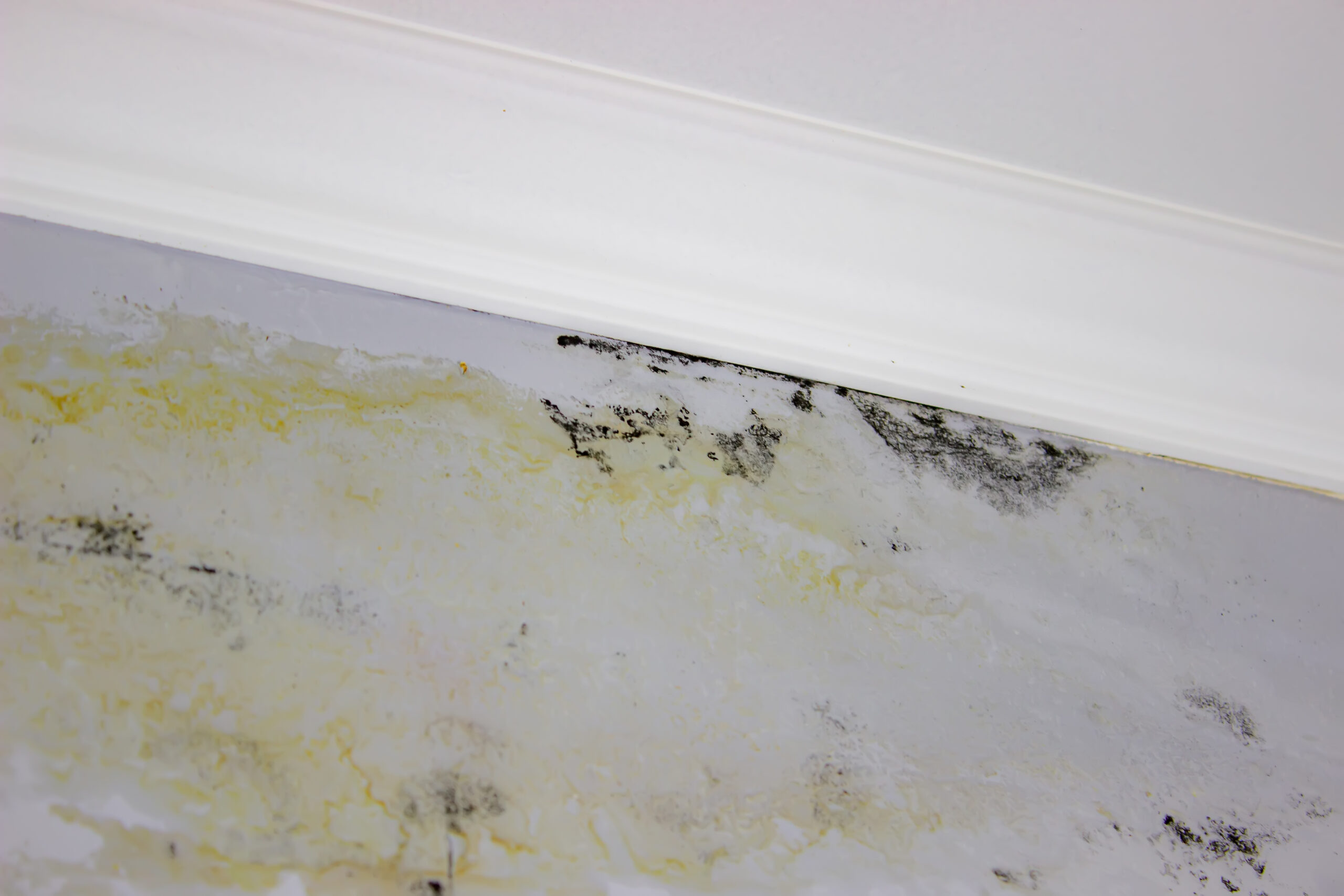
One of the most common indicators is a musty or earthy smell. This scent usually appears before any mould patches show on the surface. It often means that mould is forming behind walls or in hidden spaces. Dark marks on walls or ceilings, especially in areas that feel cold or damp to the touch, are another clear sign that moisture is trapped inside the structure.
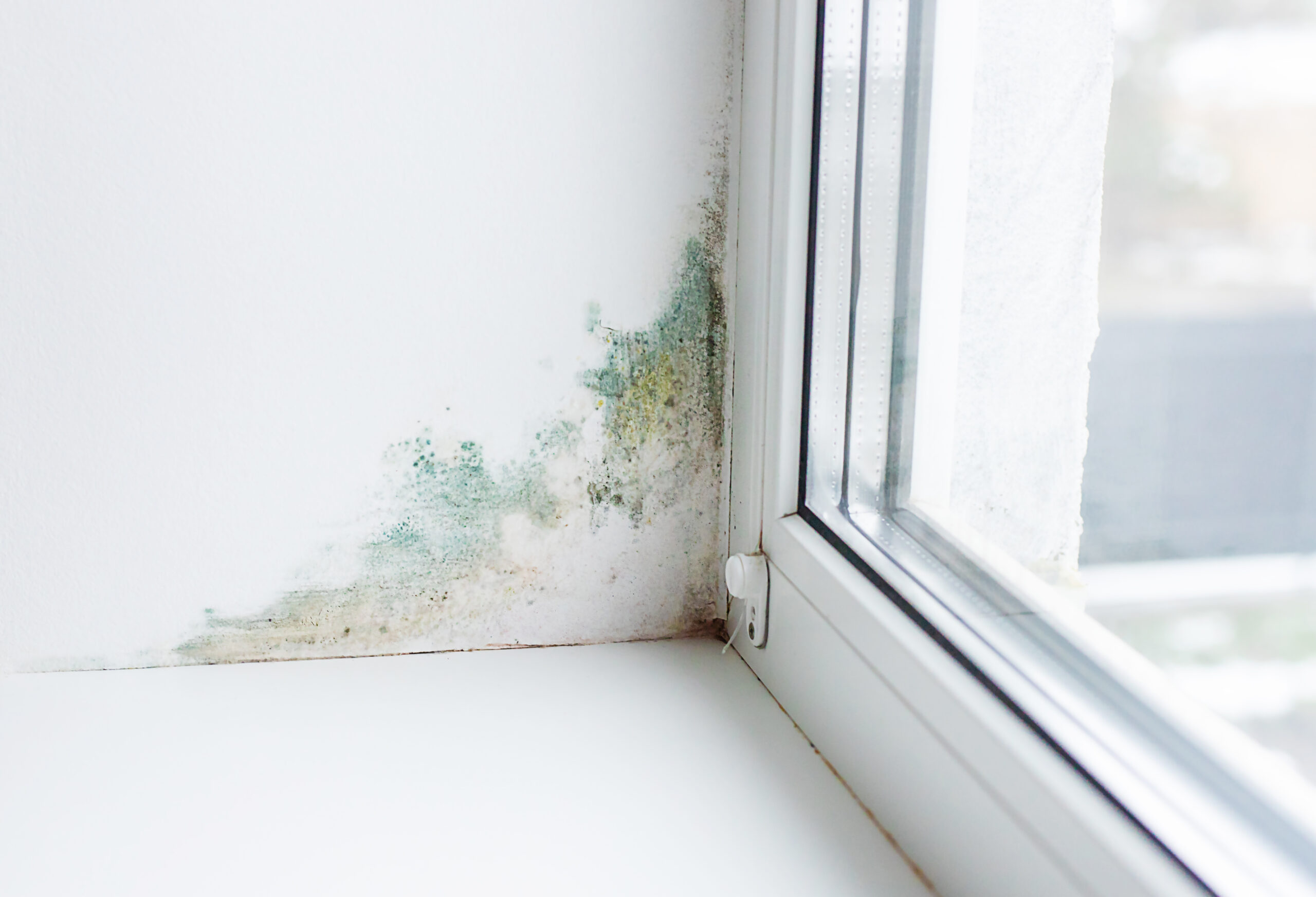
You may also spot black, green or white patches in corners, along skirting boards or around window frames. These spots can spread quickly if the conditions remain damp. Bathrooms and kitchens are especially vulnerable because of steam and high humidity. When ventilation is poor, moisture settles on walls and ceilings and encourages mould to grow.
Condensation on windows throughout the year, not just in winter, is another indicator of high moisture levels. This often leads to mould forming on window frames, sealant and surrounding walls. Peeling wallpaper, bubbling paint and flaking plaster can also point to hidden water intrusion.
In more serious cases, mould can cause health symptoms such as coughing, headaches or worsening allergies. If several members of the household begin to react, it may be time to investigate the possibility of mould growing out of sight.
When these signs appear, early action helps prevent long term structural issues and reduces the cost of repairs.
How Remediation Protects Homes Across the UK
Mould remediation plays an important role in keeping UK homes safe, dry and structurally secure. The climate across the country brings regular rainfall, high humidity and colder winters, which creates ideal conditions for damp and mould to develop. Treating the problem early protects both the building and the people who live in it.
One of the main benefits is the protection it gives to the building materials. Plaster, timber and insulation can all absorb moisture. When mould grows on these surfaces, it weakens them over time. This can lead to rotting timber, crumbling plaster and damaged paintwork. Early treatment stops this process and helps preserve the structure of the home.
Another advantage is the improvement to indoor air quality. Mould releases tiny spores into the air that can spread throughout the property. These spores settle on damp surfaces and start new colonies. Once remediation takes place, these spores are removed and the affected areas are cleaned with specialist treatments. This reduces the risk of future outbreaks and helps create a healthier living environment.
Long term protection also comes from addressing the root cause of the moisture. During the process, professionals identify issues such as poor ventilation, hidden leaks or rising damp. Fixing these problems is just as important as cleaning the mould itself. When the source is removed, the home becomes much less likely to experience the same issue again.
For properties with previous water damage, remediation helps stabilise the affected areas and prevents mould from returning during the drying process. This is especially important after leaks, floods or long term condensation problems.
Overall, proper treatment gives homeowners peace of mind by creating a safe, dry and comfortable home that can withstand changes in weather and humidity.
What Does The Process Entail And What You Can Expect
The mould remediation process follows a clear sequence that removes the mould safely and prevents it from returning. Homeowners often find it reassuring to understand each step because it shows how the treatment protects both the structure and the living environment.
The first stage is a full inspection of the affected areas. A trained specialist looks for visible signs of mould, checks moisture levels and identifies the cause of the damp. This helps ensure the treatment addresses the underlying issue rather than only the surface symptoms. Once the assessment is complete, a plan is created to remove the mould and restore the space.
The next step involves containing the area. This prevents mould spores from spreading to other rooms during the work. Doors may be sealed and protective equipment is used to keep the space controlled. After this, the visible mould is removed from walls, ceilings, flooring or other surfaces. The affected material is then cleaned with specialist solutions that kill the remaining spores.
In some cases, damaged materials may need removing. Plasterboard, skirting or timber that has absorbed moisture may be replaced to ensure the home stays safe and stable. This is common in properties with long term damp problems or where leaks have gone unnoticed for some time.
Once the cleaning is complete, the area is dried thoroughly. Air movers, dehumidifiers or ventilation improvements may be used to remove any remaining moisture. This step is important because mould cannot grow in a dry environment. The treatment finishes with repairs and reinstatement so the room looks clean, fresh and ready to use.
Throughout the process, specialists ensure the home remains safe and that the cause of the mould is addressed. This gives long term results and reduces the risk of the problem returning.
How Mould Remediation Compares to Basic Cleaning or DIY Solutions
Many homeowners try to remove mould with basic cleaning products, but these methods rarely provide long term results. Remediation offers a much deeper and more reliable solution because it treats both the surface mould and the hidden causes behind it.
Basic cleaning products can remove the visible spots, but they do not reach the mould that has grown inside plaster, timber or insulation. This hidden mould continues to release spores, which spread through the property and settle on damp surfaces. Within a short time, the mould returns, often worse than before. DIY methods also struggle with larger areas because ordinary household cleaners are not strong enough to kill the full mould colony.
Another limitation of DIY cleaning is the lack of moisture control. Most surface products only mask the problem. They do not address the reason the mould appeared, such as poor ventilation, a small leak or rising damp. Without fixing the cause, the mould will almost always return. Mould remediation focuses on identifying and correcting these issues so the treatment lasts.
DIY attempts can also damage materials if harsh chemicals are used incorrectly. Bleach and strong cleaners can weaken plaster, remove paint or leave stains behind. Professional treatments use products designed specifically for mould removal, which are both effective and safe for building materials.
Health risks are another consideration. Cleaning mould without proper protection can release spores into the air, which may cause breathing issues or allergic reactions. Professionals use safety equipment to contain the spores and remove them without spreading them throughout the home.
Overall, while DIY cleaning may improve the appearance for a short time, it does not deliver long term protection. Professional treatment ensures the mould is removed safely and the underlying problem is resolved properly.
Why Professional Remediation Prevents Long Term Damage
Professional mould remediation provides long term protection because it deals with both the visible mould and the conditions that allowed it to grow. Treating only the surface gives short term relief, but professional work focuses on the root cause, which is the key to stopping future damage.
Specialists use detailed moisture testing to identify where the damp is coming from. This might be a hidden leak, poor ventilation, rising damp or a structural issue such as damaged brickwork. Once the moisture source is found, it can be repaired properly. This step is important because mould cannot grow without a constant supply of moisture.
Professionals also use advanced equipment to clean and remove mould safely. This includes filtration units, controlled containment areas and treatments that target mould at its source. These methods remove the spores that typical household cleaning products leave behind. When the spores are gone, the risk of the mould returning is greatly reduced.
Long term protection also comes from the reinstatement work. Damaged plaster, flooring or woodwork is repaired or replaced so that no moisture remains trapped in the structure. This prevents future decay and helps the home stay safe and comfortable. In older properties, this work is especially important because hidden mould can weaken materials over time.
Homeowners benefit from expert guidance too. Professionals can recommend improvements to airflow, insulation or drainage that help stop the problem from returning. These small adjustments make a noticeable difference to the comfort and health of the home.
With the right treatment, the home stays dry, stable and protected for years, even during damp seasons or high humidity.
What Homeowners Ask About Remediation
What is mould remediation and how is it different from normal cleaning?
Remediation removes harmful mould and tackles the moisture source that caused it. Normal cleaning only removes surface marks, which means the mould often returns. Remediation provides long term protection by treating both the visible mould and the hidden spores.
How long does the process take?
The time varies depending on the size of the affected area and the level of damage. Small rooms can be completed in a day, while larger spaces or areas with structural damp may take longer. A specialist will give a clear timescale after inspecting the property.
Do I need to leave the house during the work?
In most cases, you can stay in the home. If a large area needs treating, you may be asked to avoid the room until the work is complete. This ensures safety and helps prevent the spread of spores during the cleaning stage.
Can mould come back after treatment?
Mould only returns if moisture remains in the structure. When the source of the damp is fixed and the area is properly cleaned, the risk is very low. This is why mould remediation focuses on both removal and prevention.
Is the process safe for children and pets?
Yes. The products used by professionals are designed for safe use in homes. Once the area is dry and ventilated, it is safe for the whole household to return to normal use.
Where does mould grow most often?
Mould commonly appears in bathrooms, kitchens, basements, behind furniture, around windows and in areas with poor ventilation. It also forms in places affected by leaks or long term condensation.
What should I do if I find a small patch of mould?
You can clean small patches with mild cleaning products, but if it keeps returning or spreads quickly, it is best to seek professional help. This usually means there is a hidden moisture problem that needs attention.
How do I stop mould from returning after treatment?
Improving ventilation, repairing leaks quickly and managing condensation can all help. A specialist may also suggest insulation upgrades or better airflow in high risk rooms.
Share This Story, Choose Your Platform!
About the Author: PFC Restoration