Maintaining a property in optimal condition requires a thorough understanding of environmental factors, particularly when considering the necessity of damp proofing in Hampshire. This county, with its extensive coastline along the Solent and its diverse architectural landscape, presents unique challenges for moisture control. From the historic coastal fortifications of Portsmouth and Southsea to the older agricultural properties in the Meon Valley, moisture ingress is a frequent threat to building materials. If left unaddressed, dampness can rapidly compromise structural timber, degrade plasterwork, and create an unhealthy living environment. Understanding the root causes of moisture accumulation is the first step toward implementing a permanent, engineered solution that protects your home or commercial asset.
Architectural and Geographical Factors Influencing Local Damp Issues
The geography of Hampshire directly influences the prevalence and type of damp problems found in local properties. Coastal locations like Gosport, Hayling Island, and Fareham are subject to driving rain and high levels of atmospheric salt, which can accelerate the deterioration of external brickwork and mortar joints. When external walls become porous, rainwater can penetrate deep into the masonry, eventually appearing as damp patches on internal decorations. Furthermore, many parts of the county have a high water table or sit on heavy clay soils, which can create significant hydrostatic pressure against below-ground structures and ground floor slabs.
Architectural age is another defining factor in how moisture behaves within a building fabric. A large proportion of residential properties in Winchester, Southampton, and Portsmouth date from the Victorian or Edwardian eras. These buildings were constructed using solid brick walls without the cavity spaces found in modern architecture. They were designed to be breathable, relying on open fires and constant airflow to draw moisture out of the structure. When modern alterations, such as the installation of non-breathable plastic wall coatings or cement-based external renders, are applied to these traditional buildings, the natural movement of moisture is blocked. This trapped water inevitably forces its way inward, leading to bubbling paint, crumbling plaster, and persistent damp issues that require you to have damp proofing in Hampshire
Accurately Diagnosing Structural Moisture Ingress
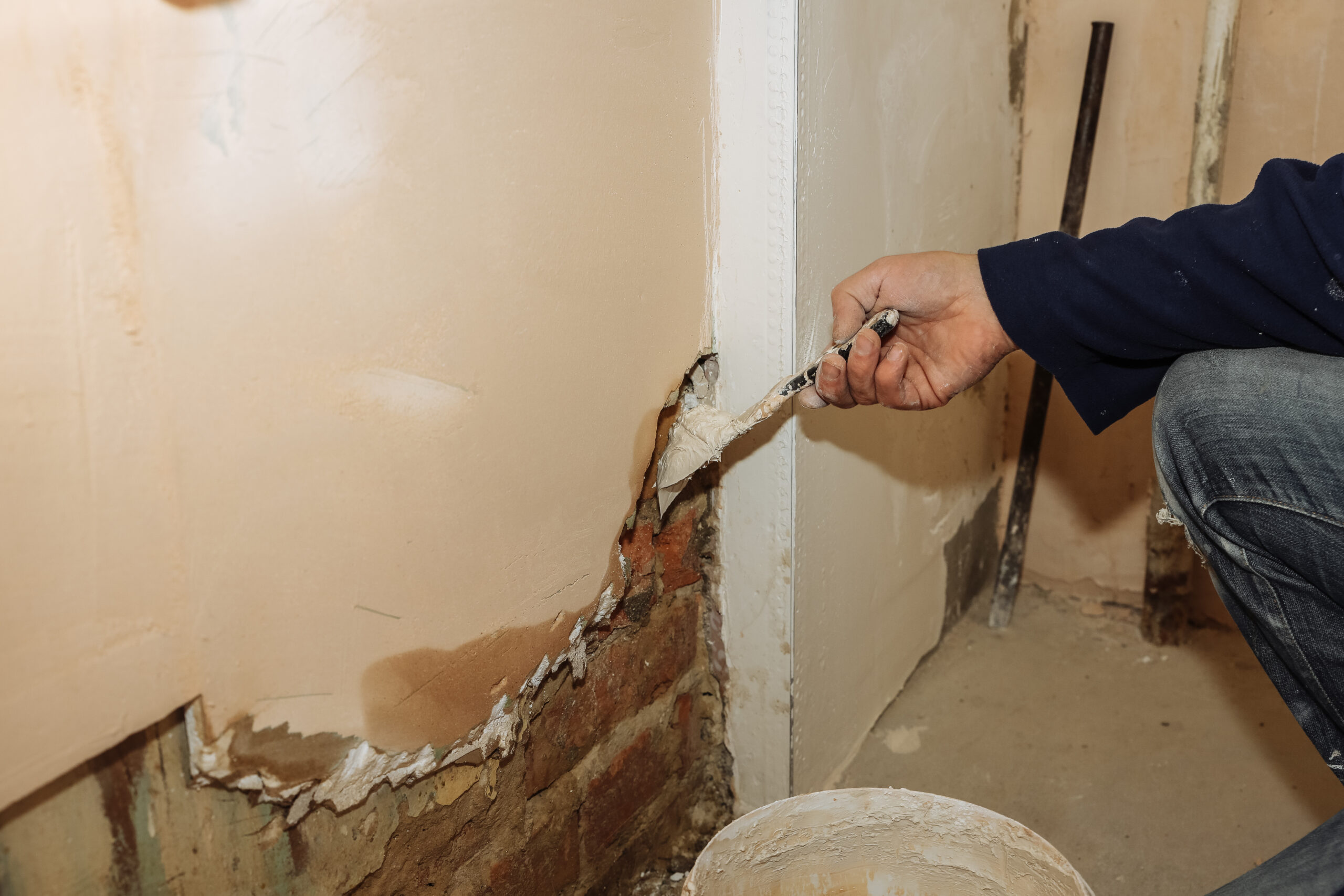
A successful restoration project relies entirely on an accurate initial assessment, as different types of dampness require completely different remedial techniques. Rising damp is a specific phenomenon where groundwater is drawn up through the porous networks of brick and mortar via capillary action. This type of moisture is typically restricted to the ground floor and rarely rises higher than one metre above the external ground level. A distinct indicator of rising damp is the presence of a horizontal tide mark on the wall, often accompanied by hygroscopic salt deposits that look like a white, powdery substance on the plaster surface.
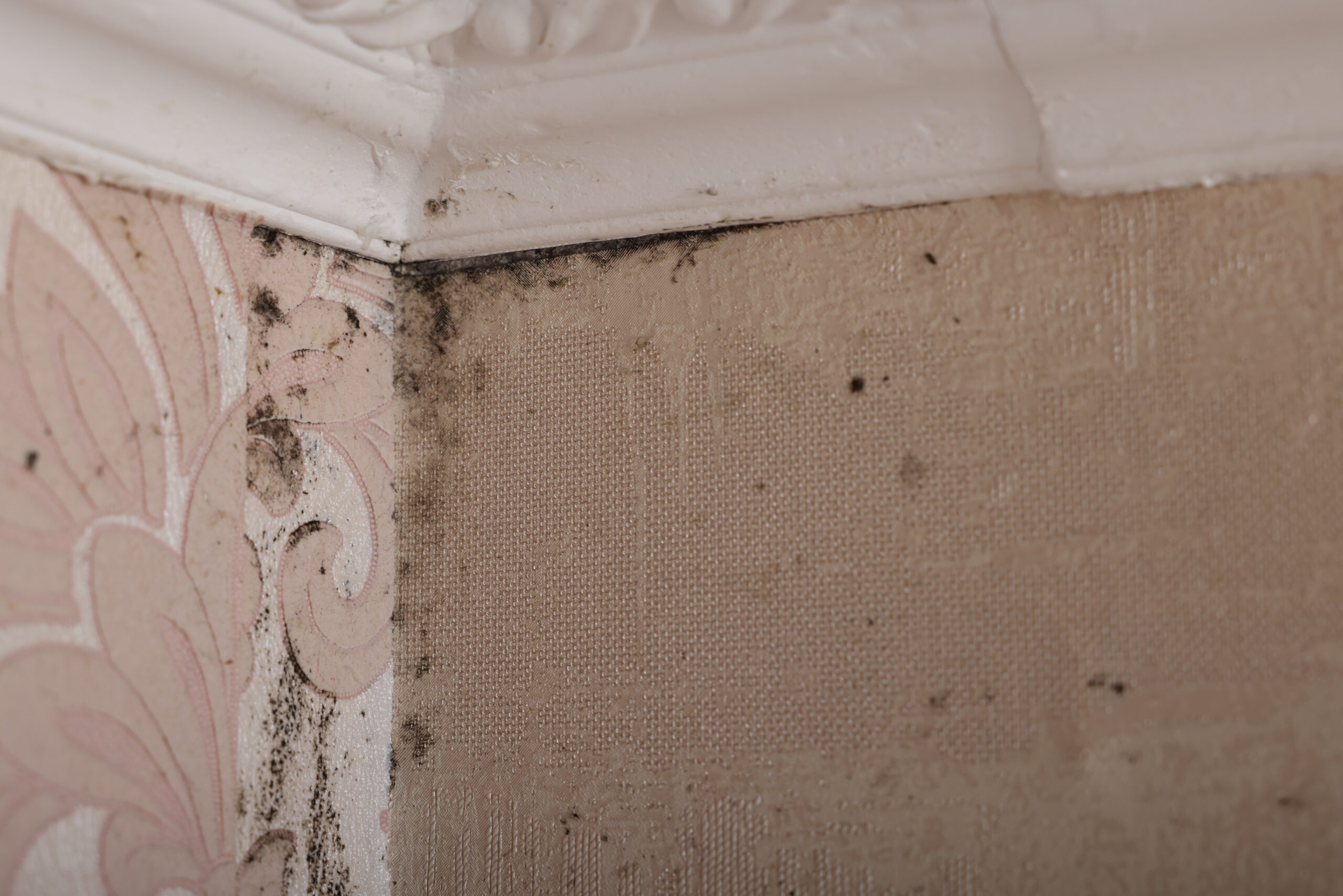
Penetrating damp, by contrast, is not restricted by height and can occur anywhere on a building fabric. It is caused by water entering the structure from the outside, often due to a structural defect such as a leaking gutter, a cracked roof tile, or damaged external rendering. These patches often expand and worsen specifically after periods of heavy rainfall. Condensation is an entirely atmospheric issue that occurs when warm, moisture-laden air inside the property comes into contact with a cold surface, such as an uninsulated external wall or a window frame. Unlike structural damp, condensation is highly correlated with lifestyle factors and poor ventilation, and it is usually identified by the rapid growth of black spot mould in stagnant corners or behind large furniture items.
Advanced Technical Solutions for Structural Waterproofing
Modern building preservation has evolved beyond superficial coatings to encompass highly effective, engineered barrier systems. For properties suffering from severe dampness or those with ground levels that sit higher than the internal floors, the installation of a cavity drained membrane system is often the most reliable option. These tough, high-density polyethylene membranes are fixed directly to the internal face of the wall. The membrane features a studded profile that creates a continuous, ventilated air gap between the damp masonry and the new internal wall finish. This allows the original wall to breathe and dry out naturally over time while ensuring that the living space remains completely dry and isolated from the moisture.
When dealing with a failure of the original damp proof course in solid brickwork, a chemical injection system is frequently utilised. This process involves drilling precise holes into the mortar bed at the correct structural level and injecting a high-grade silane-based cream. The cream migrates through the mortar layer, curing to create a continuous, water-repellent barrier that permanently stops groundwater from climbing up the wall via capillary action. For properties where atmospheric moisture is the primary concern, mechanical ventilation systems, such as Positive Input Ventilation (PIV), are installed. These units introduce a continuous flow of fresh, filtered air into the property, diluting the internal humidity levels and eliminating the cold, stagnant conditions that allow condensation and mould to develop. Selecting the appropriate method for damp proofing in Hampshire depends entirely on the physical characteristics of the building and a precise diagnosis of the water source.
The Serious Consequences of Neglecting Property Maintenance
Allowing damp conditions to persist within a property can lead to catastrophic consequences for both the building framework and the occupants. Timber components are exceptionally vulnerable to prolonged moisture exposure. When structural wood maintains a high moisture content, it becomes susceptible to wood-rotting fungi such as wet rot and dry rot. Dry rot is particularly destructive in traditional Hampshire properties, as the fungal strands can grow through porous brickwork and hidden cavities to attack unaffected timbers across the building, destroying floor joists, wall plates, and roof supports. Remediation of advanced dry rot is incredibly invasive and expensive, highlighting the vital importance of early intervention.
In addition to structural degradation, the health implications of a damp environment are significant. The presence of damp masonry invariably leads to the proliferation of black spot mould, which releases thousands of microscopic spores into the internal air supply. Exposure to these spores is a known trigger for a variety of respiratory ailments, including chronic coughing, wheezing, allergic rhinitis, and severe asthma attacks. This is a paramount concern for vulnerable individuals, including young children, the elderly, and those with pre-existing health conditions. Furthermore, a property with visible damp issues faces a severe reduction in market value. Surveyors and buyers in the local area are highly sensitive to signs of dampness, and a documented history of professional remediation backed by a valid guarantee is often essential for securing a property sale or mortgage approval.
Frequently Asked Questions Regarding Damp Proofing in Hampshire
What is the typical cost of professional damp proofing?
The total investment required depends entirely on the scope of the problem and the specific method of treatment needed. A localised chemical damp proof course injection for a single wall is a straightforward procedure that is relatively inexpensive. Conversely, an extensive basement tanking project or a comprehensive whole-house cavity membrane system involves significant material costs and detailed structural preparation. We always conduct a thorough survey and provide a transparent, itemised quote before any damp proofing in Hampshire work commences.
How long does it take for a treated wall to dry out completely?
While the actual installation of a damp proofing system or membrane can often be completed within a few working days, the evaporation of the moisture already trapped inside the masonry takes time. A general rule of thumb used by building professionals is that a solid brick wall will dry out at a rate of approximately one month for every inch of wall thickness. It is crucial to allow this drying period to occur naturally before applying permanent decorative finishes like standard wallpaper or non-breathable paints.
Can I fix a damp wall by applying waterproof paint over the patch?
Applying a waterproof or anti-damp paint directly over an active damp patch is a temporary aesthetic measure that usually exacerbates the problem. These coatings trap the water within the plaster or brickwork, preventing natural evaporation and causing the underlying masonry to decay more rapidly. The trapped moisture will also eventually migrate sideways or upwards, causing new damp patches to appear on adjacent sections of the wall. The root cause of the moisture must always be resolved first.
Is damp remediation covered by standard building insurance?
Most standard UK home insurance policies are designed to cover sudden, accidental events, such as a burst internal pipe or structural damage caused by a storm. They generally do not cover gradual, long-term issues resulting from wear and tear or a lack of maintenance, such as rising damp, failing original damp proof courses, or condensation. This is why proactive property maintenance and professional surveys are so important for safeguarding your investment.
Why does mould keep returning in my bathroom despite cleaning it?
The recurring presence of black spot mould is a classic symptom of persistent condensation rather than a structural defect. Bathrooms experience high volumes of warm water vapour, and if this moisture cannot escape through adequate ventilation, it condenses on the coldest surfaces. Simply wiping away the mould with chemicals only removes the visible growth; the spores will return as long as the high humidity levels and cold surfaces remain. Installing an efficient mechanical extraction fan is usually the key to a permanent solution.
What should I expect during a professional damp survey?
A comprehensive survey involves a detailed inspection of both the interior and exterior of the property. The specialist will use specialised, non-destructive moisture meters to map the electronic profile of the walls, locate hidden moisture pathways, and check for signs of timber decay. They will also inspect external elements, such as ground levels, gutters, rendering, and air bricks, to ensure that the building is properly protected from external water entry. Following the inspection, you will receive a detailed report outlining the findings and any recommended damp proofing in Hampshire works.
To talk to us about your property, get in touch with our team or find out more about PFC Restoration.
Share This Story, Choose Your Platform!
About the Author: PFC Restoration