Damp is a persistent challenge for property owners across the United Kingdom, but it presents a unique set of difficulties for those seeking damp proofing in Hampshire. From the historic Victorian terraces of Southsea to the coastal properties in Hayling Island and the rural cottages of the Meon Valley, moisture ingress is a common threat to structural integrity. When left unaddressed, damp does more than just damage aesthetics; it creates a hazardous living environment and devalues your most significant asset. Identifying the root cause of moisture is the first step toward a long-term solution. Many homeowners mistake condensation for rising damp, leading to expensive and unnecessary treatments that fail to solve the underlying problem.
The Common Causes of Moisture in Hampshire Properties
The geological and architectural landscape of Hampshire contributes significantly to local damp issues. Many older properties in Portsmouth and Southampton were constructed with solid brick walls that lack a modern damp proof course. These structures rely on breathability to stay dry, but modern renovations often inadvertently trap moisture. For instance, the application of non-breathable cement renders or plastic-based paints can prevent moisture from evaporating naturally. When this happens, water becomes trapped within the masonry, eventually showing up as damp patches on internal walls.
Another frequent issue is bridging, where the external ground level is raised above the original damp proof course. This often occurs during the installation of new patios or driveways that sit too high against the house. In these cases, rainwater can bypass the protective barrier and soak directly into the brickwork. Penetrating damp is also a major concern in coastal areas like Gosport and Fareham, where salt-laden winds and driving rain can force moisture through porous bricks or defective mortar joints. Understanding these regional factors is essential for any successful damp proofing in Hampshire project.
How to Identify Different Types of Dampness Correctly
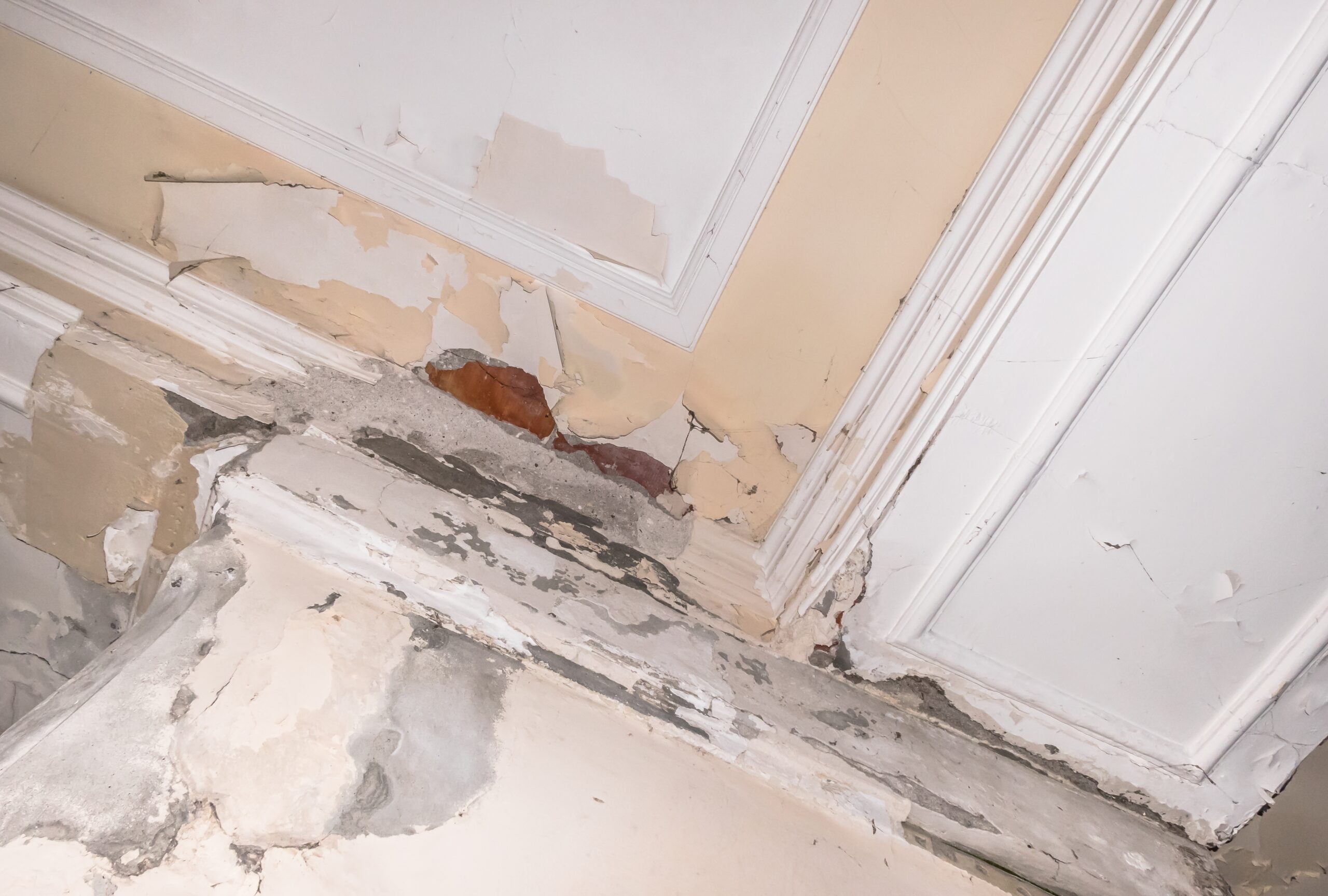
Accurate diagnosis is the foundation of effective property restoration. Rising damp is perhaps the most famous form of moisture ingress, yet it is frequently misdiagnosed by general builders. It occurs when groundwater is drawn up through the tiny pores in brick and mortar via capillary action. This typically leaves a visible tide mark on the wall, usually reaching about one metre in height. If you notice salt deposits appearing as a white, powdery substance on your plaster, this is a strong indicator that ground salts are being carried into your home by rising water.
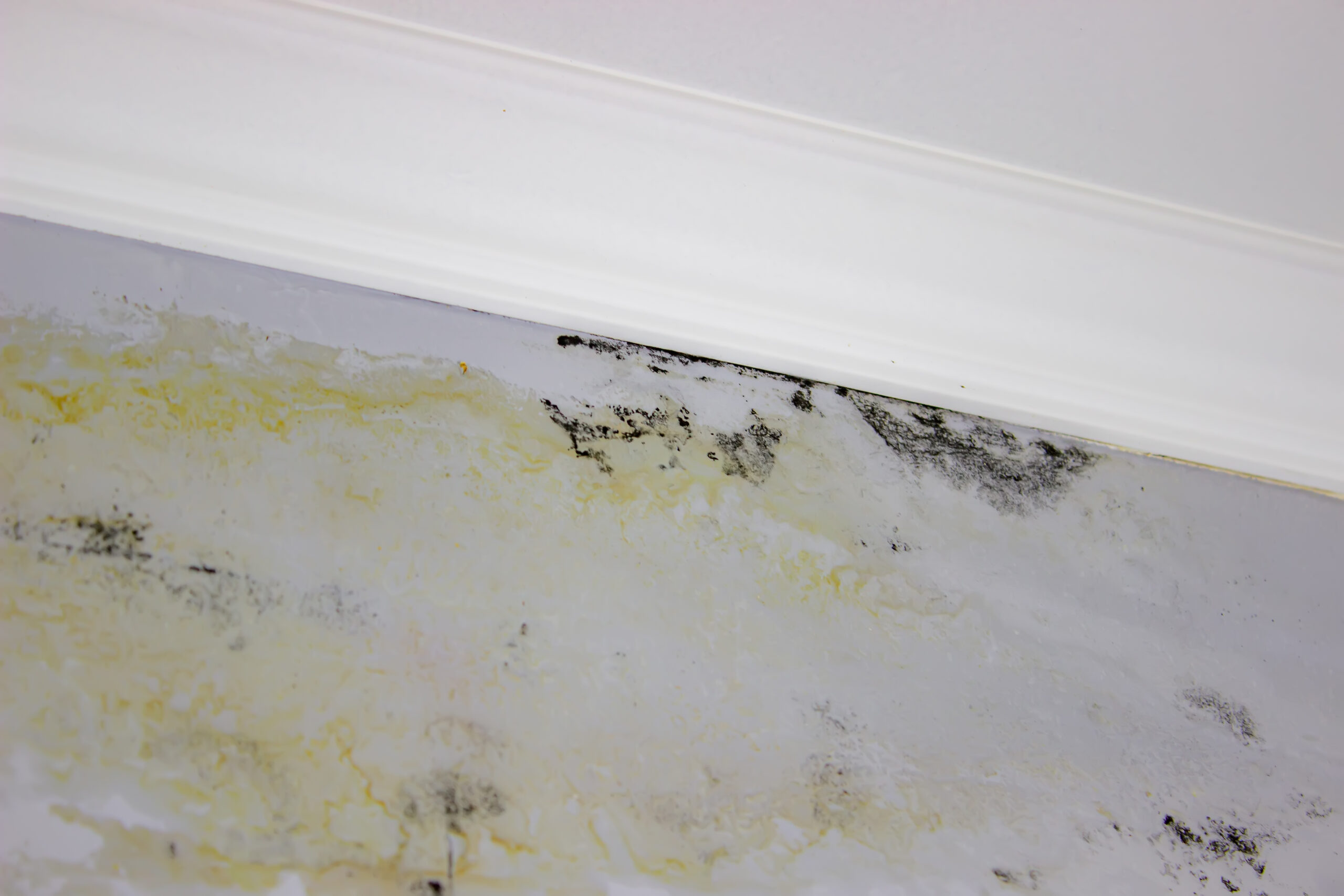
Condensation, by contrast, is an internal atmospheric issue rather than a structural one. It is particularly prevalent in the winter months when warm, moist air from cooking or bathing hits cold external walls. Unlike rising damp, condensation can occur at any height and is often identified by the presence of black spot mould in corners or behind furniture. Penetrating damp usually presents as isolated damp patches that appear or worsen specifically after heavy rainfall. Each of these problems requires a tailored approach to ensure the building remains dry and healthy for years to come.
Advanced Solutions for Reliable Damp Proofing in Hampshire
Modern technology has transformed how specialists handle moisture control. At PFC Restoration, we move beyond quick fixes to provide engineered solutions that protect the entire structure. One of the most effective methods for managing severe damp is the installation of a cavity drained membrane system. These high-density polyethylene sheets are fixed to the internal walls, creating a physical barrier that prevents moisture from reaching the new wall finish. The studs on the back of the membrane create a ventilated gap, allowing the original wall to breathe and dry out behind the scenes.
In cases of rising damp, a chemical damp proof course injection is often the most appropriate solution. This involves injecting a specialised silane-based cream into the mortar bed, which creates a water-repellent barrier that stops capillary action in its tracks. For properties struggling with condensation, we often recommend mechanical ventilation solutions, such as Positive Input Ventilation (PIV) systems. These units replace stagnant, moisture-heavy air with fresh, filtered air from outside, significantly reducing the humidity levels that allow mould to thrive. Choosing the right method for damp proofing in Hampshire depends entirely on the specific needs of your property and the source of the water ingress.
The Long Term Benefits of Investing in Professional Protection
Ignoring damp problems can lead to devastating consequences for a building’s framework. Timber is especially vulnerable; high moisture levels provide the perfect environment for dry rot and wet rot to take hold. These fungal infestations can destroy floor joists and roofing timbers, leading to structural instability that is both dangerous and incredibly expensive to repair. By addressing damp early, you are not just fixing a wall; you are safeguarding the skeleton of your home.
Furthermore, the health implications of living in a damp environment are well-documented. Mould spores are a primary trigger for respiratory issues, including asthma and chronic coughs. This is particularly concerning for families with young children or elderly residents. Professional damp proofing ensures that the air quality inside your home remains clean and free from harmful allergens. From a financial perspective, a dry, well-maintained property is much easier to sell or rent. Prospective buyers and surveyors in the Hampshire area are highly attuned to signs of dampness, and having a professionally installed system with a valid guarantee can provide the peace of mind needed to close a sale.
Frequently Asked Questions Regarding Damp and Restoration
How much does professional damp proofing usually cost?
The cost of treatment varies significantly depending on the type of damp and the size of the affected area. A simple chemical injection for a single wall will be much more affordable than a full basement tanking or a whole-house membrane system. We always provide a detailed survey and a transparent quote before any work begins, ensuring you understand the investment required to protect your home.
How long does it take to complete the damp proofing process?
Most standard damp proofing in Hampshire treatments, such as DPC injections or membrane installations, can be completed within two to four days. However, the drying-out process for the masonry can take much longer. As a general rule of thumb, walls can take one month per inch of thickness to dry out completely before final decoration should be attempted.
Can I just paint over the damp with waterproof paint?
Applying waterproof or “anti-damp” paint is a temporary aesthetic fix that often makes the problem worse. These paints trap moisture inside the wall, which can cause the brickwork to deteriorate faster and may force the water to emerge elsewhere in the house. You must address the root cause of the moisture before applying any finish.
Does my home insurance cover damp repairs?
Standard home insurance policies usually cover “sudden and accidental” water damage, such as a burst pipe or a leaking roof. However, they rarely cover gradual issues like rising damp or condensation, which are typically classified as maintenance problems. This is why preventative action and regular inspections are so important for homeowners.
Why is black mould appearing in my bedroom?
Black mould is almost always a sign of condensation. It occurs when there is a lack of ventilation and an excess of moisture in the air. This is common in bedrooms because of the moisture released during sleep and the fact that these rooms are often kept slightly cooler than living areas. Improving airflow is the key to solving this issue.
Share This Story, Choose Your Platform!
About the Author: PFC Restoration